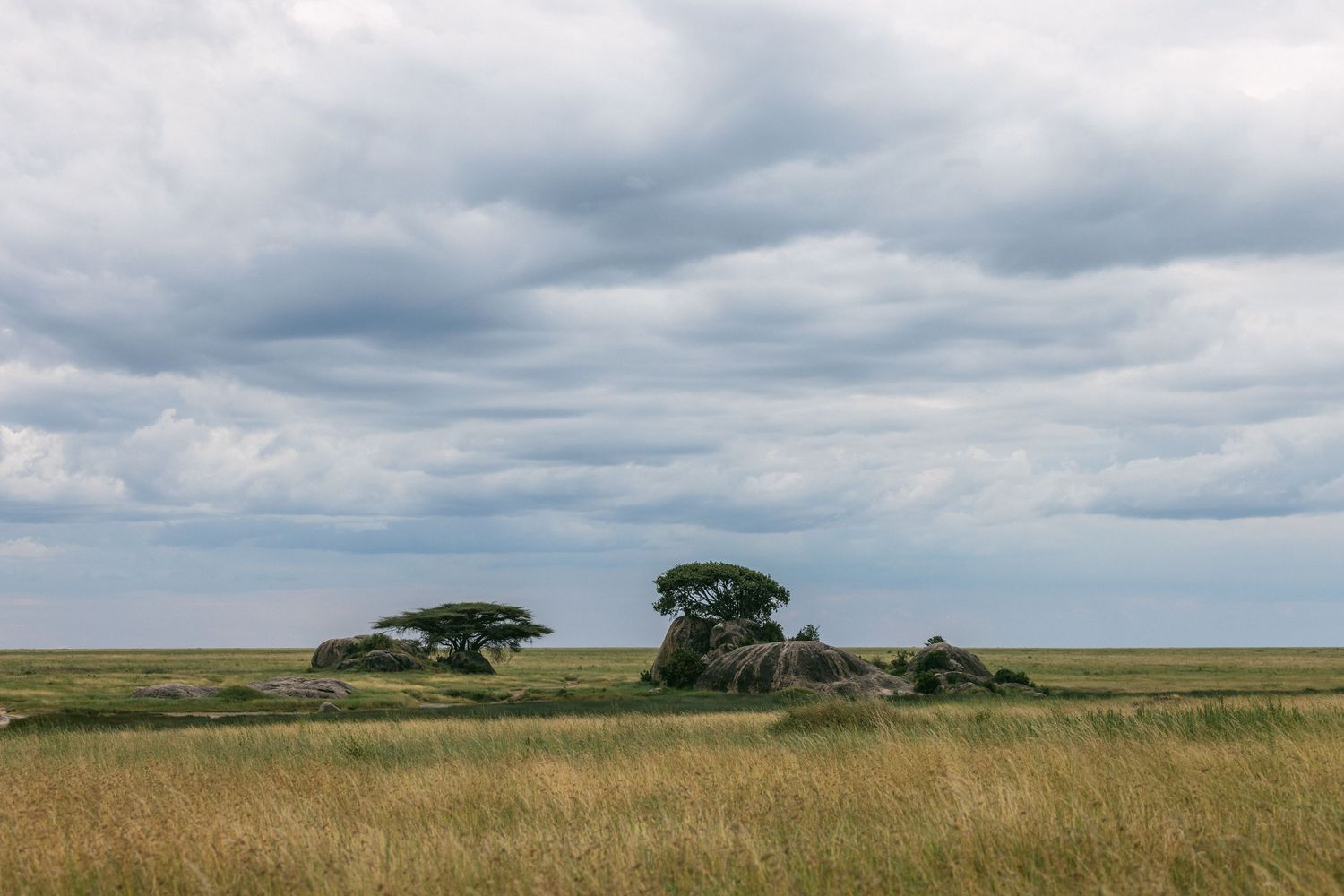
For decades, nobody was allowed into this part of the Serengeti.
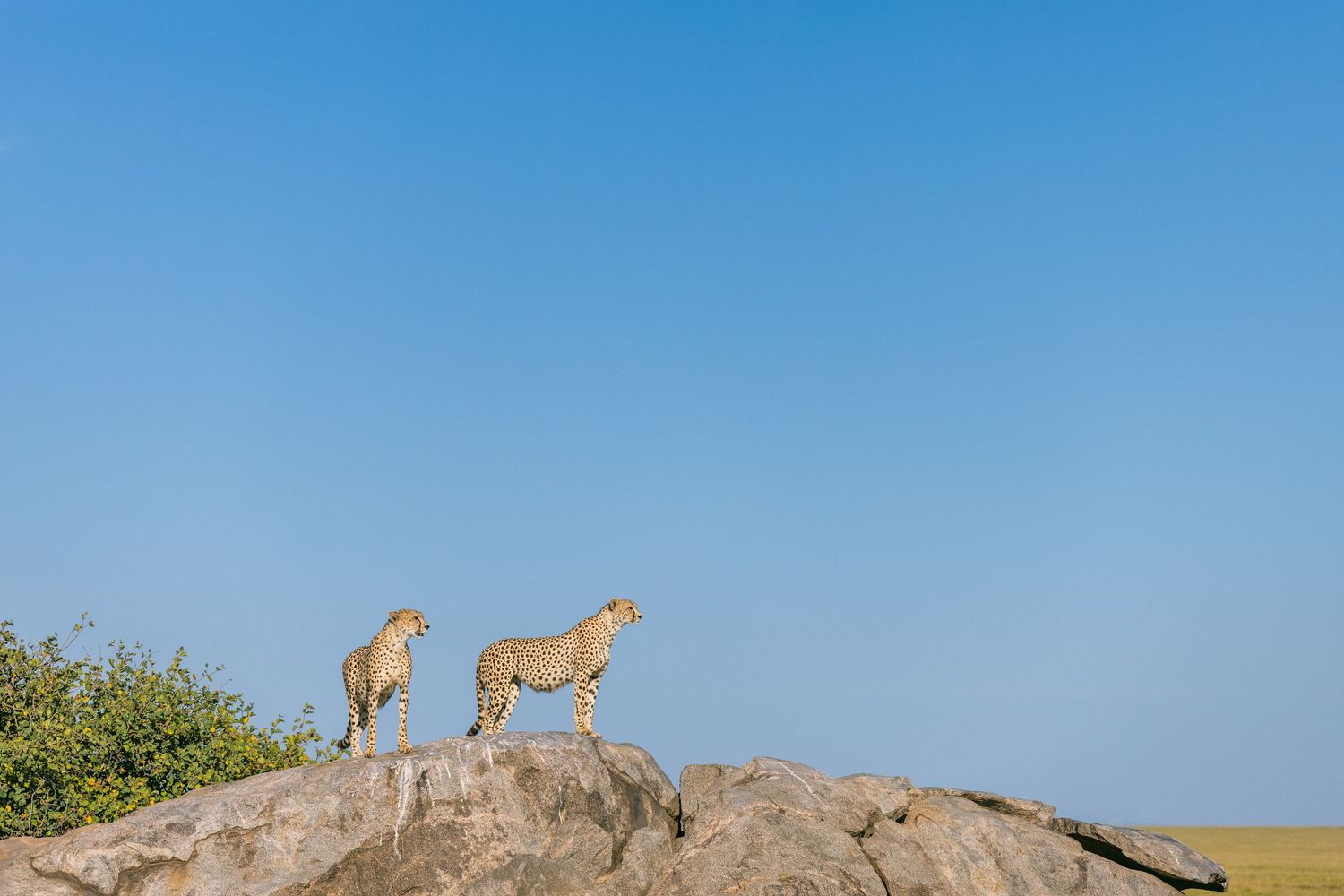
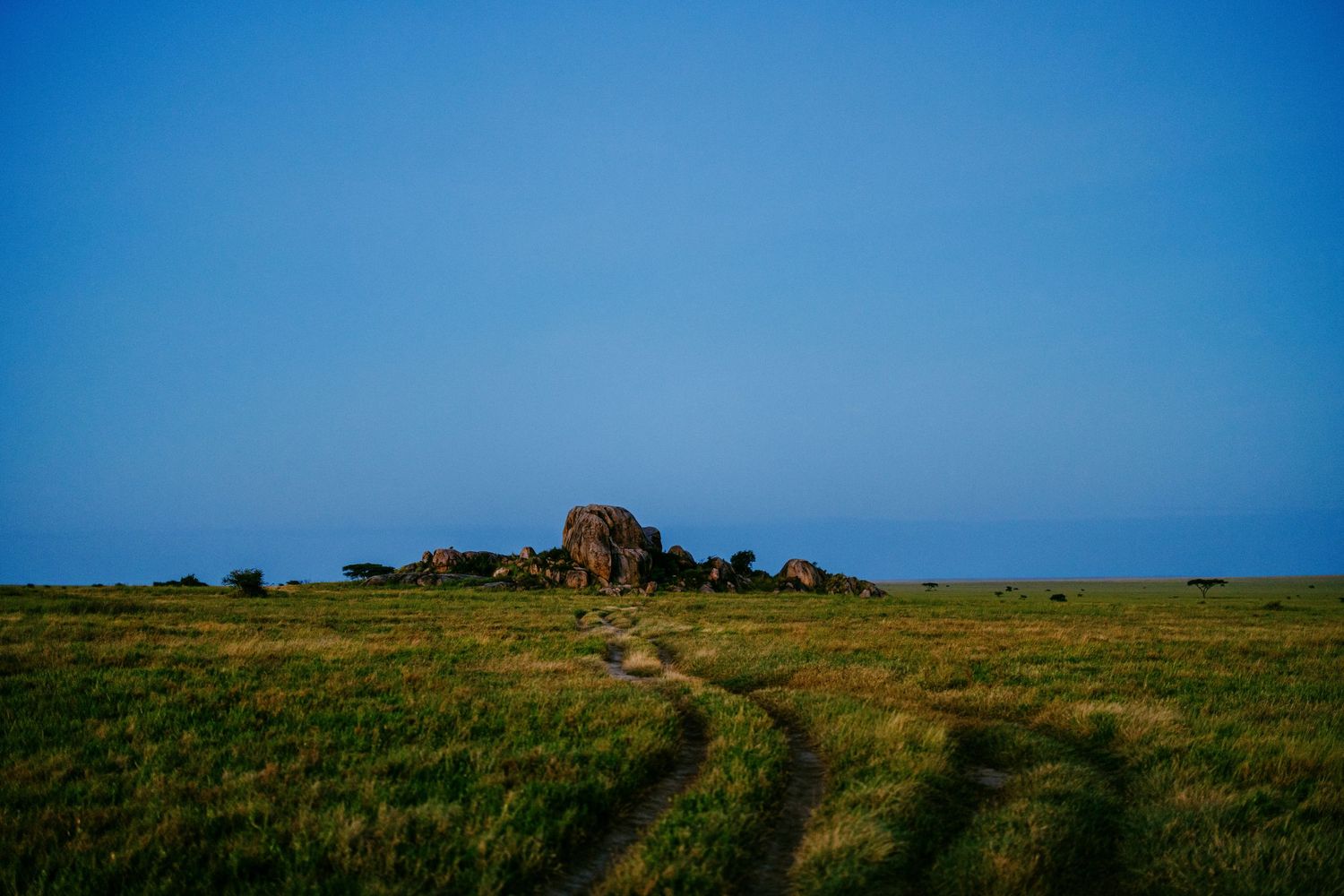
The eastern plains around Soit Le Motonyi were closed to the public and given over to cheetah research, and they stayed that way until 2014. What came out of that closure is the highest density of cheetah in East Africa, and cats that are genuinely relaxed around vehicles rather than merely resigned to them.
That is where we spent the last five days of May.
The eastern Serengeti is not the secret it was ten years ago. Vehicles entering the park from this side now run through these kopjes on their way to the centre, and by the height of the season some of the sightings out here are no better than anywhere else. May is about the last of the good window. Even by the end of the month you can feel it turning.
So if you are going to come to this part of the park, come early in the year, and avoid the high season.
The trip started in the Ngorongoro Crater, three nights up in the highlands, and we drove east from there into the park. Five nights at Namiri Plains, then out from the Seronera airstrip at the end of it. Two very different landscapes in a single journey, which is one of the arguments for Tanzania in the first place.
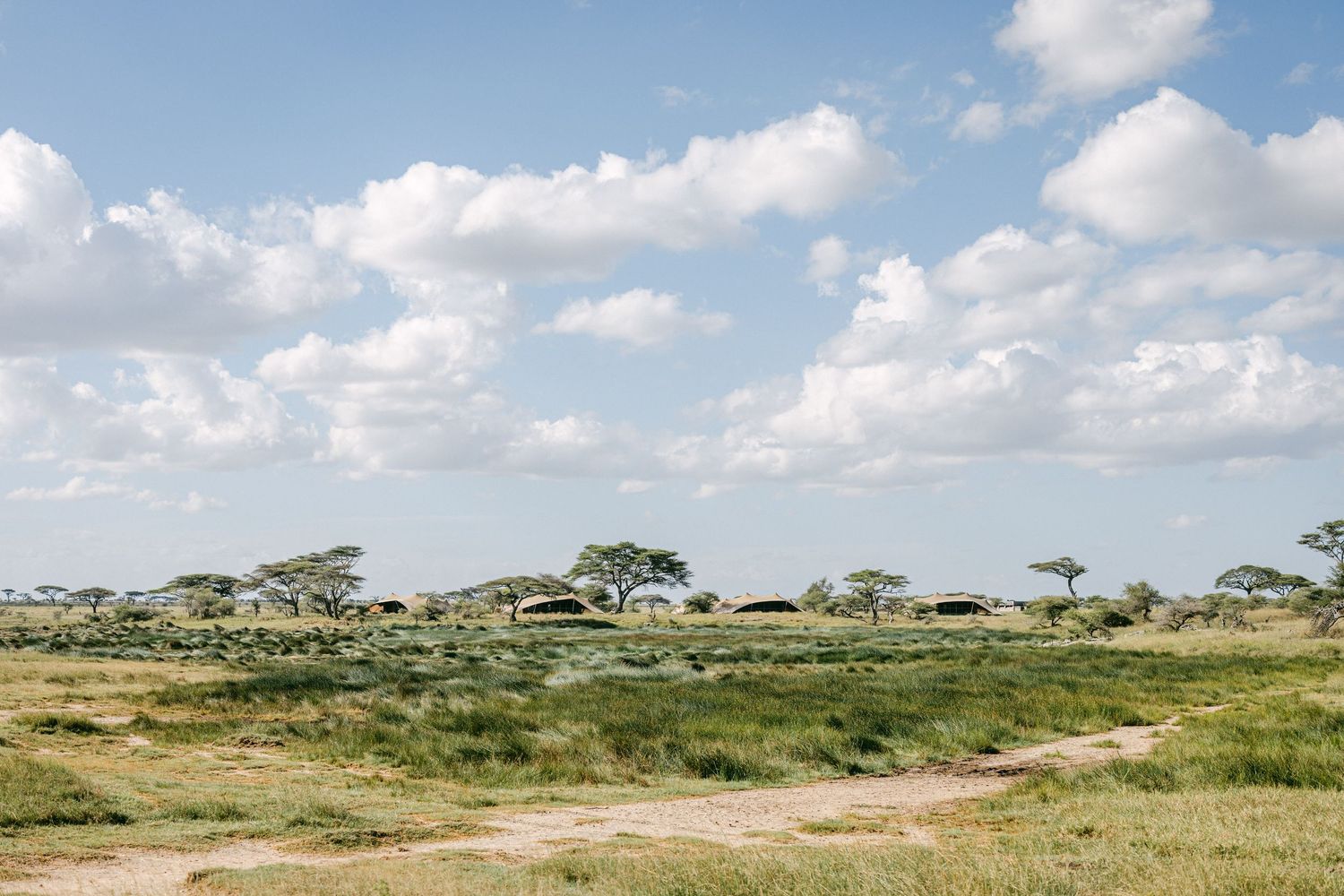
Namiri sits alone. The nearest other camp is an hour away across open grass, ten tents under acacias with stone walls that hold the night's cool through the middle of the day and give it back after dark.
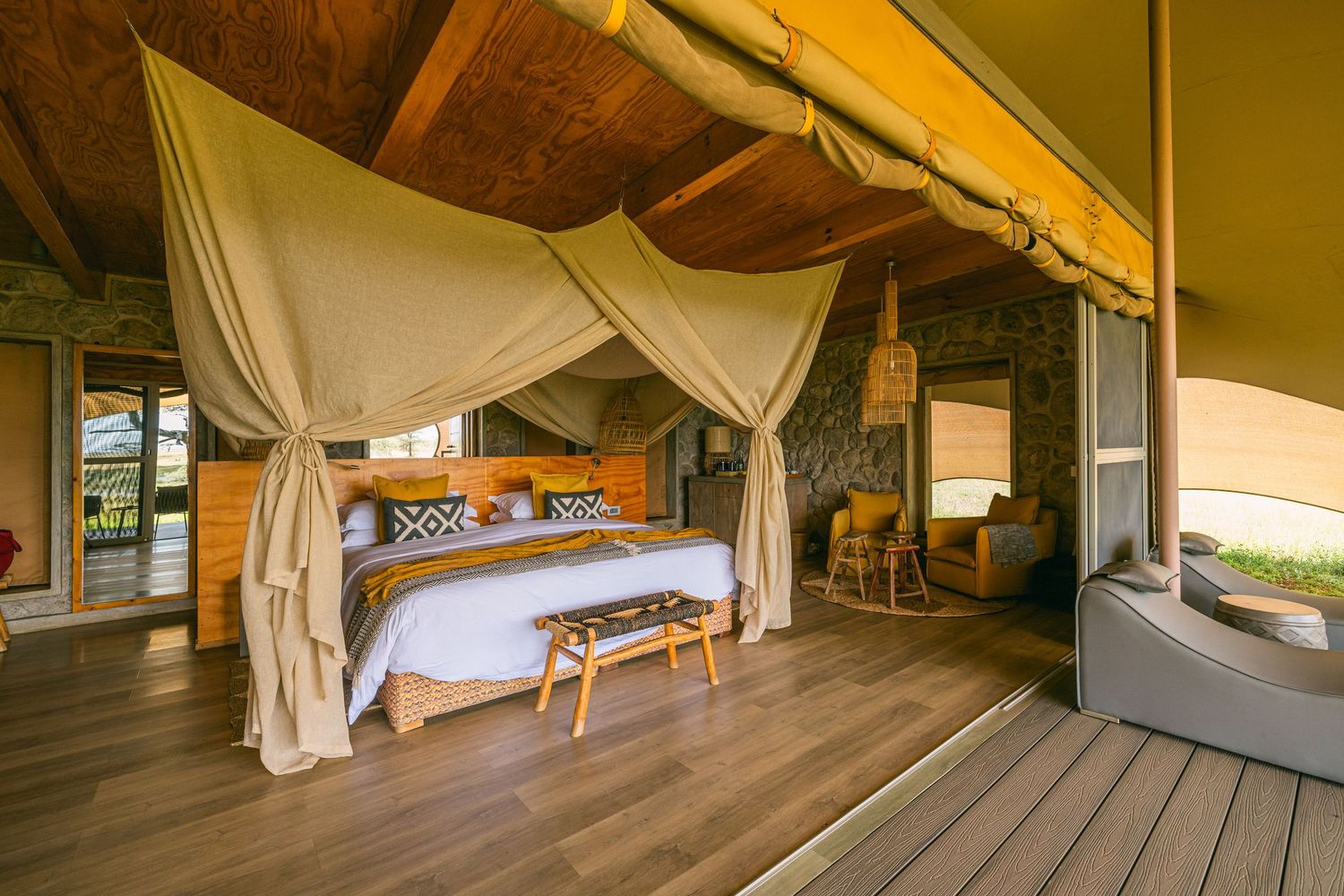
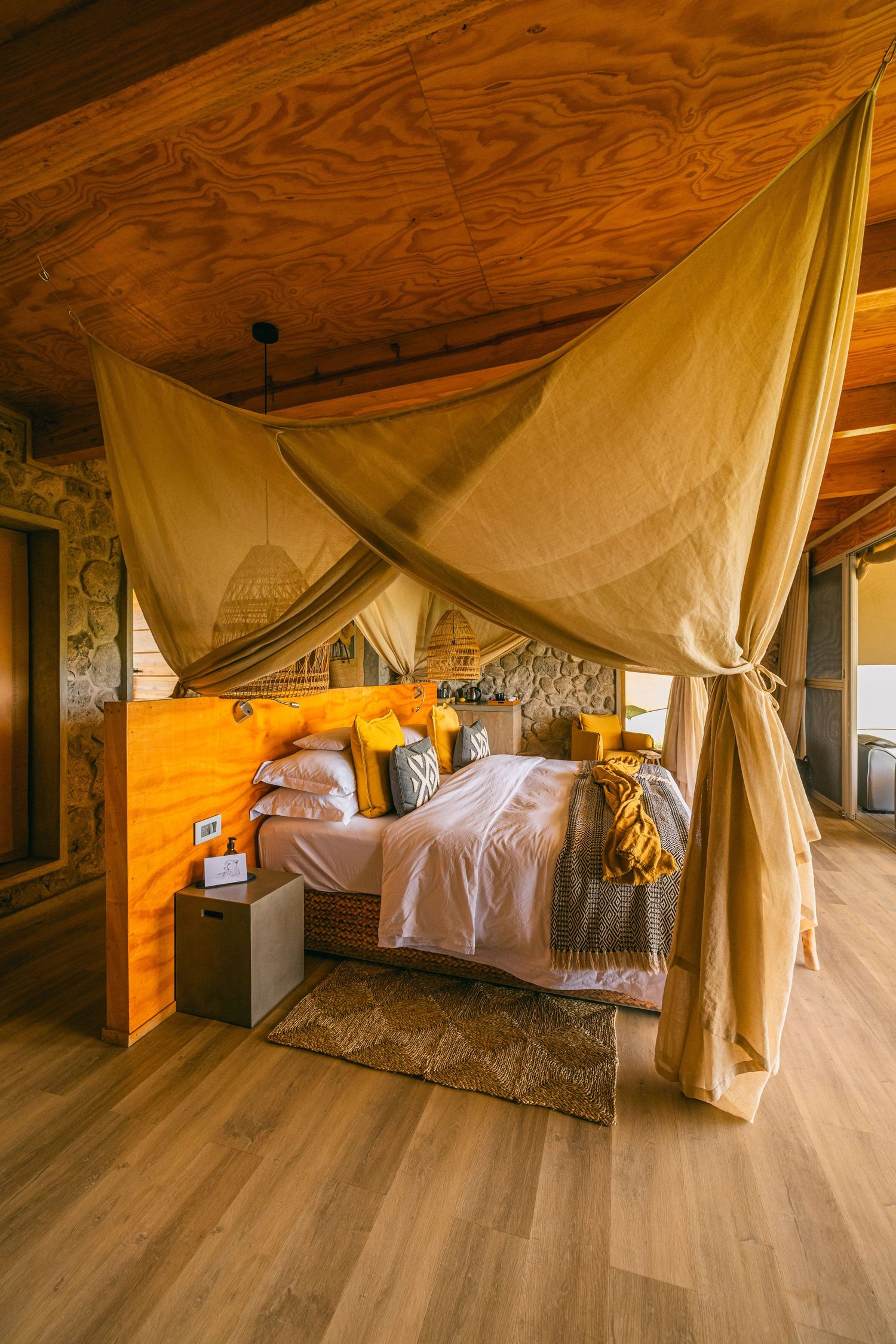
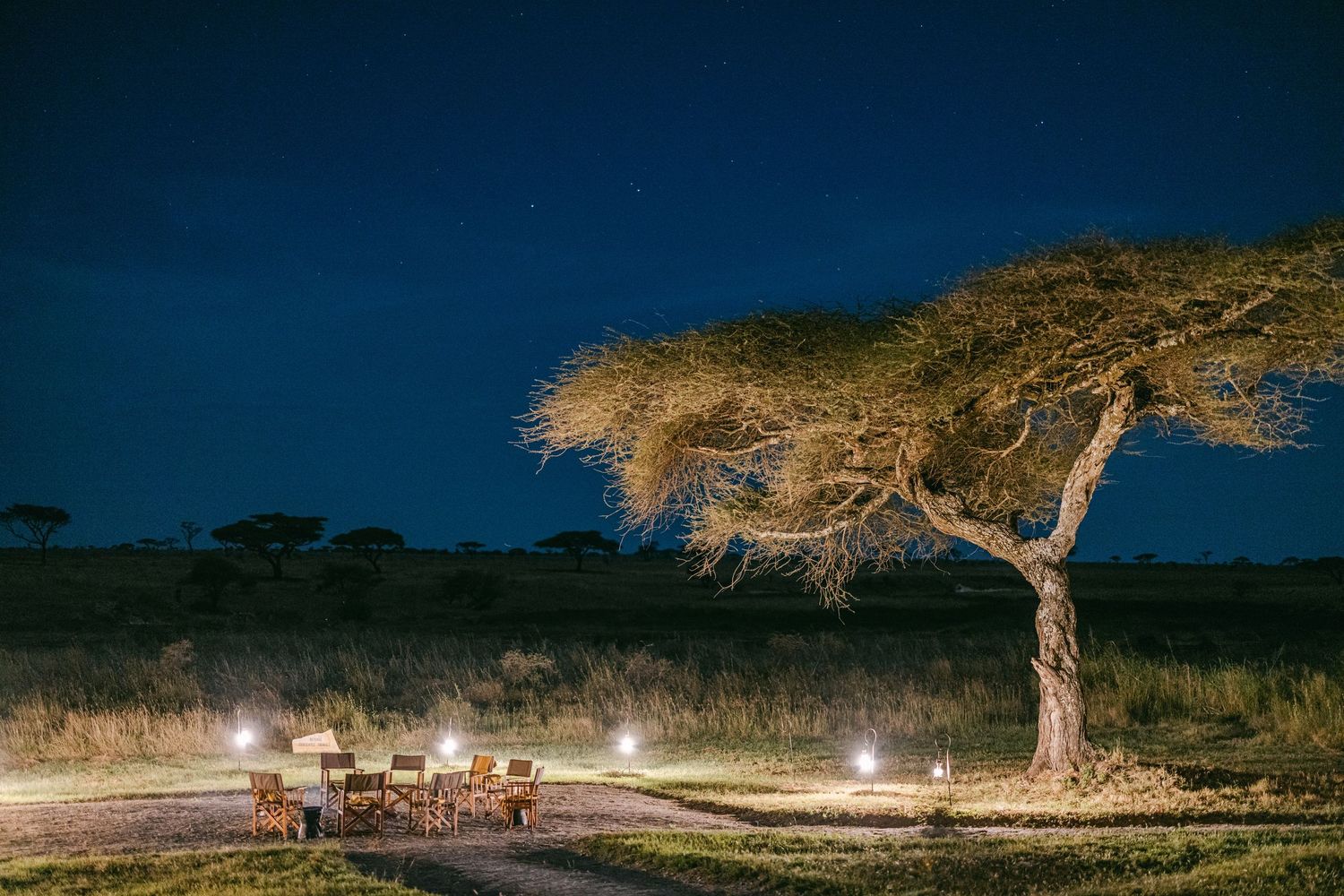
But nobody chooses Namiri for the tent. You come here because this is big cat country, probably the best there is in the Serengeti for cheetah and lion, and because the kopjes that hold those cats are close enough to reach before the light gets good.
Our days were long. We were up before dawn, out by six, coffee drunk standing up and breakfast somewhere on the plains an hour later. Lunch happened in the vehicle. We came back at half past five, sometimes seven.
Twelve to fourteen hours out, five days running.
I will not pretend that is restful. But the Serengeti is nearly fifteen thousand square kilometres, and cats do not arrange themselves around a lunch break. Almost everything worth having on this trip happened either very early or very late, and you cannot be there for both ends of the day if you go back to camp in the middle of it.
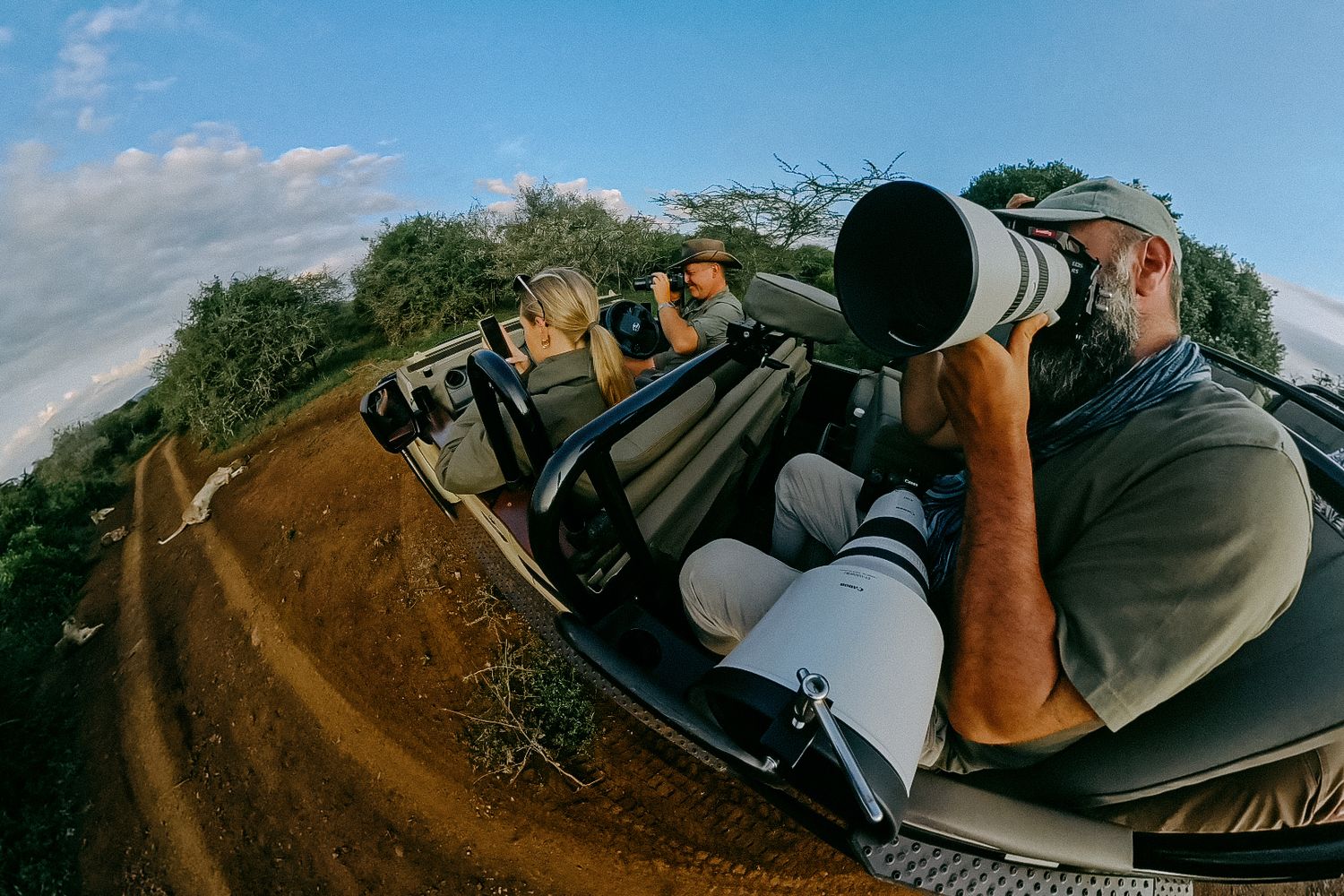
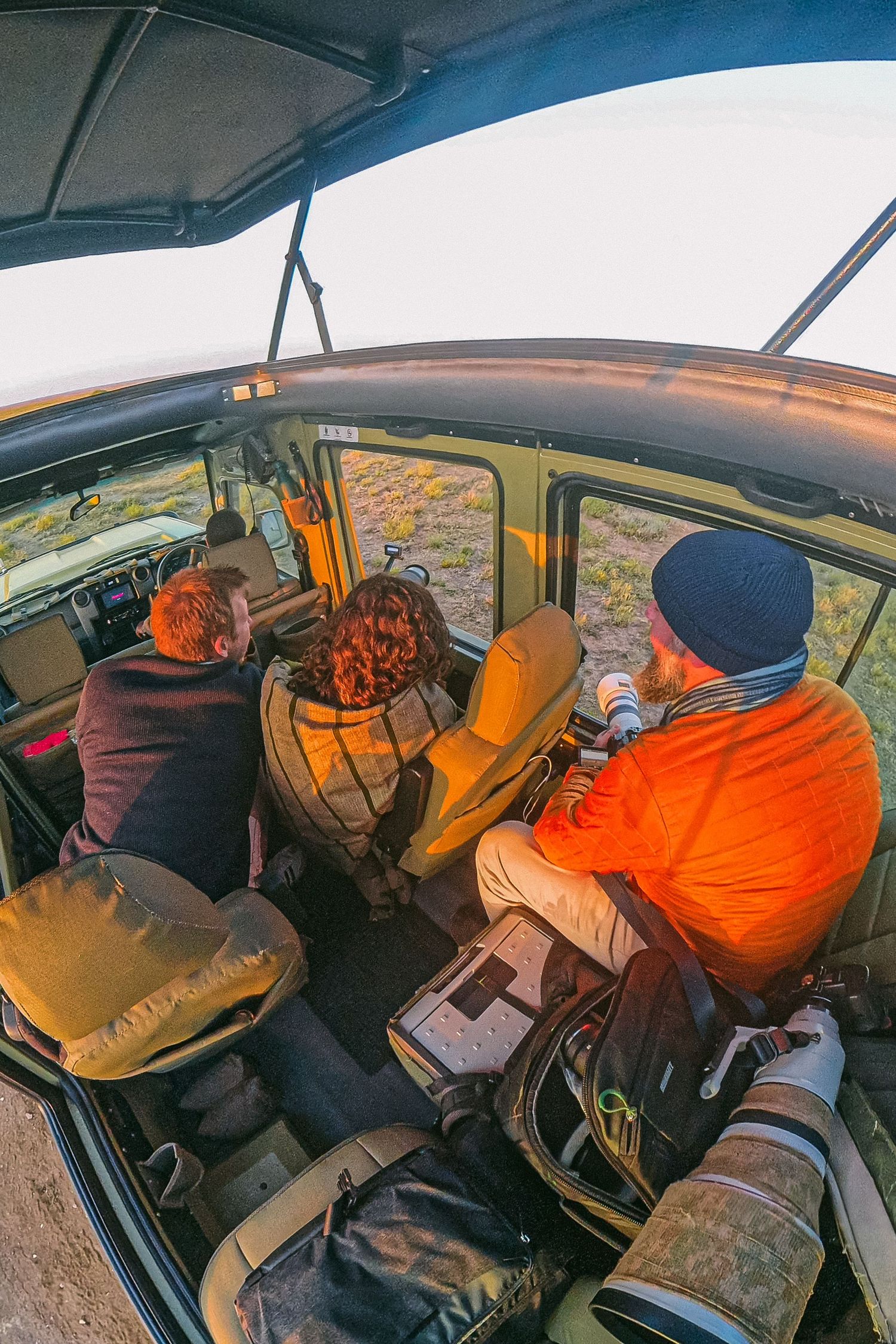
I was travelling with guests, and this is where the coaching actually happens. Not in a workshop. In the vehicle, in the moment, usually in a whisper.
Most of it comes down to two things.
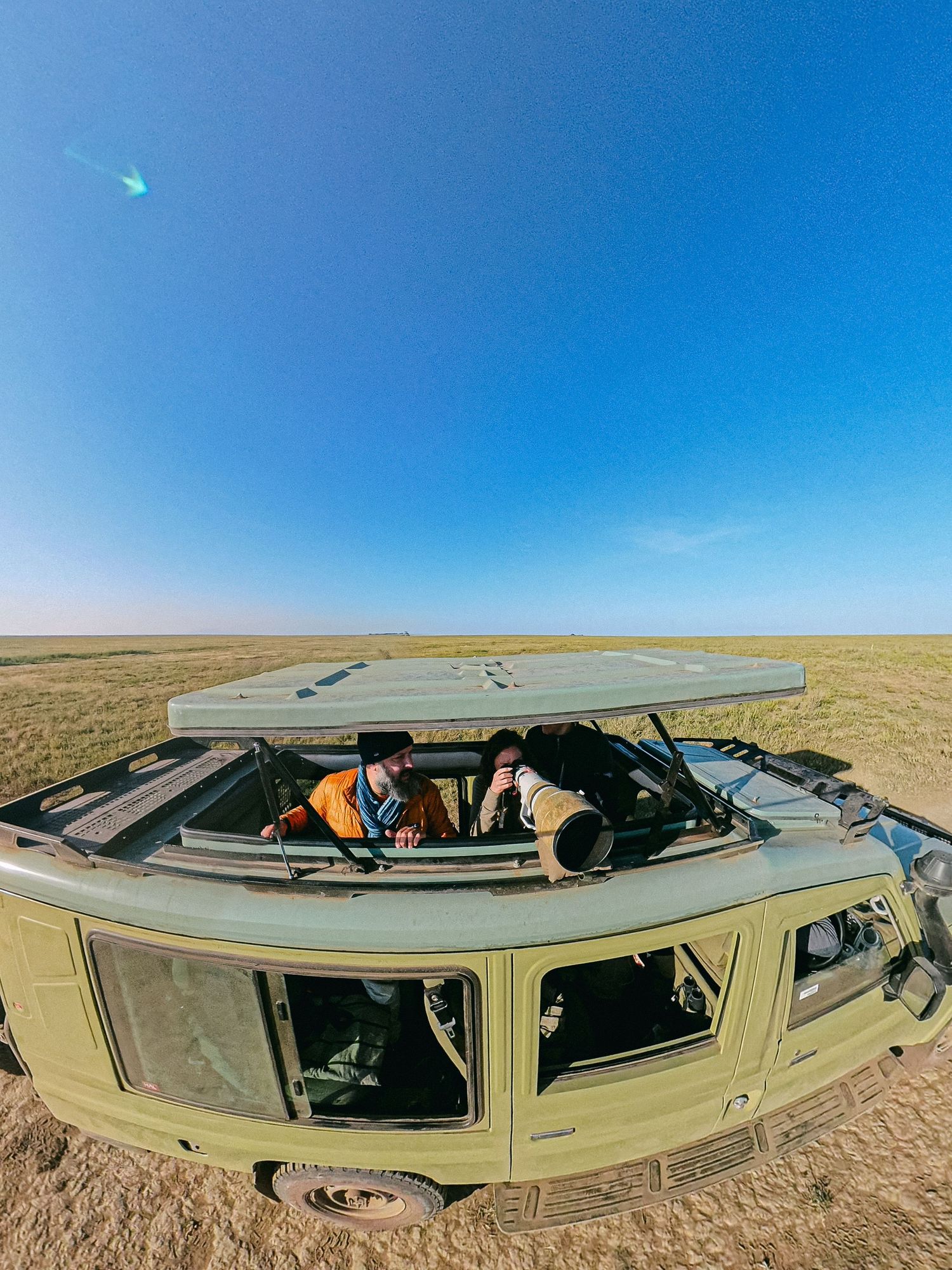
Get low. The instinct with a roof hatch is to stand up and shoot down, and it is almost always the wrong choice. Drop to the window line. Ask the guide to put the car below the animal if the ground allows it. The difference between shooting down at a cheetah and shooting level with her is the difference between a record of a sighting and a photograph.
And position for light, not for proximity. The urge is always to get closer. Usually the better move is to give up three metres and gain the sun behind the subject. Goodluck, our guide, understood this from the first morning and by the end of the week was repositioning before I asked.
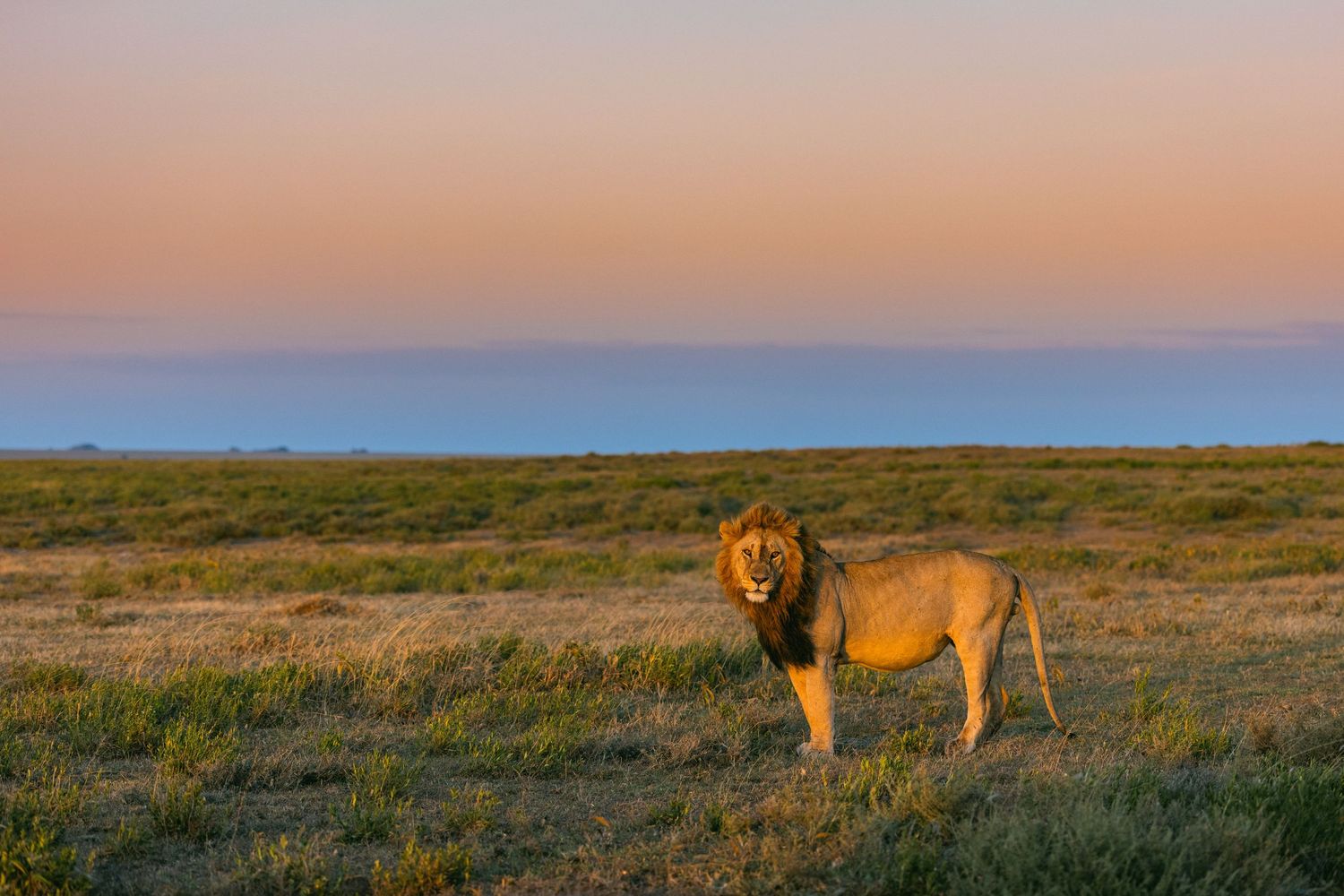
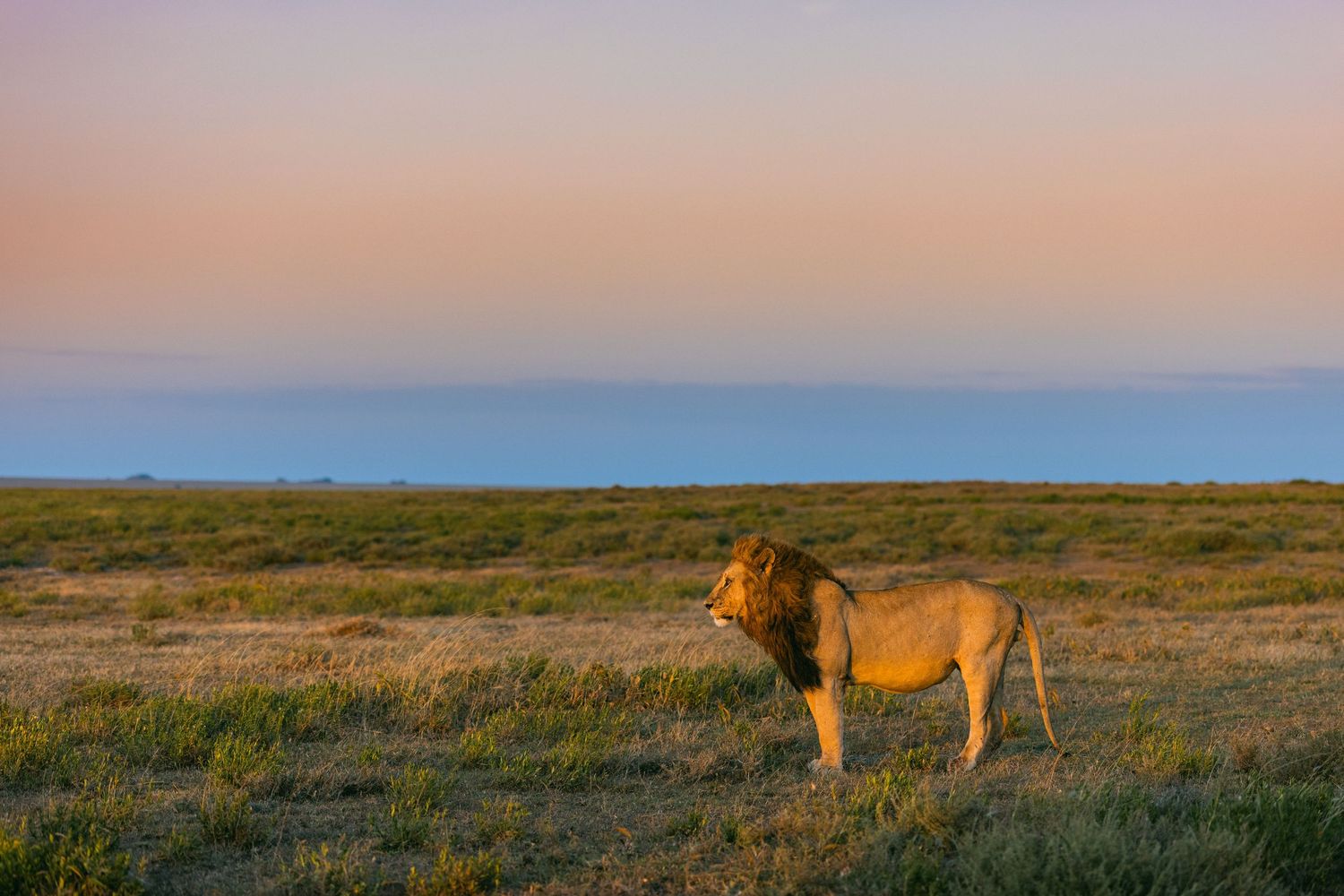
And sometimes it's also worth standing up.
The cats came.
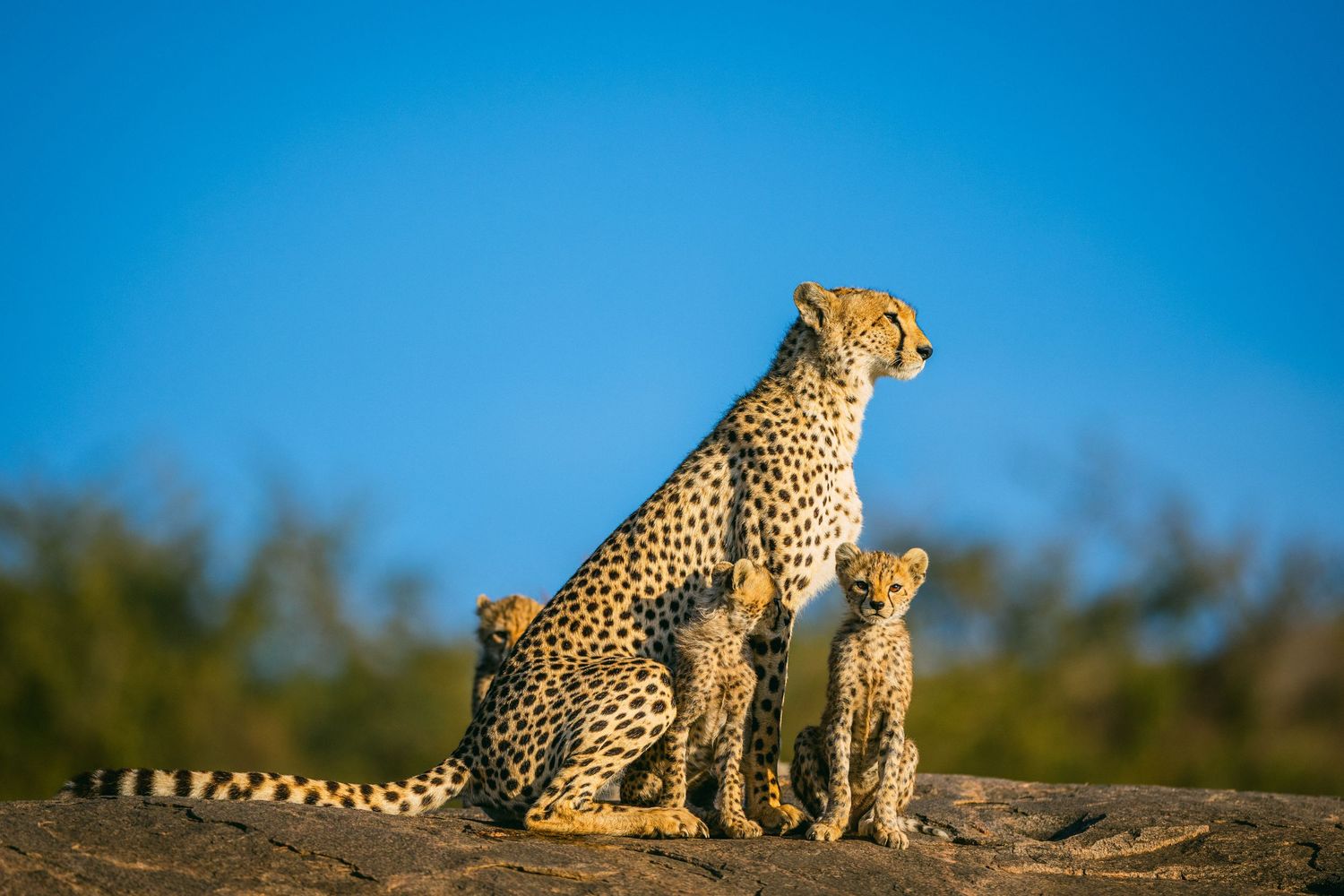
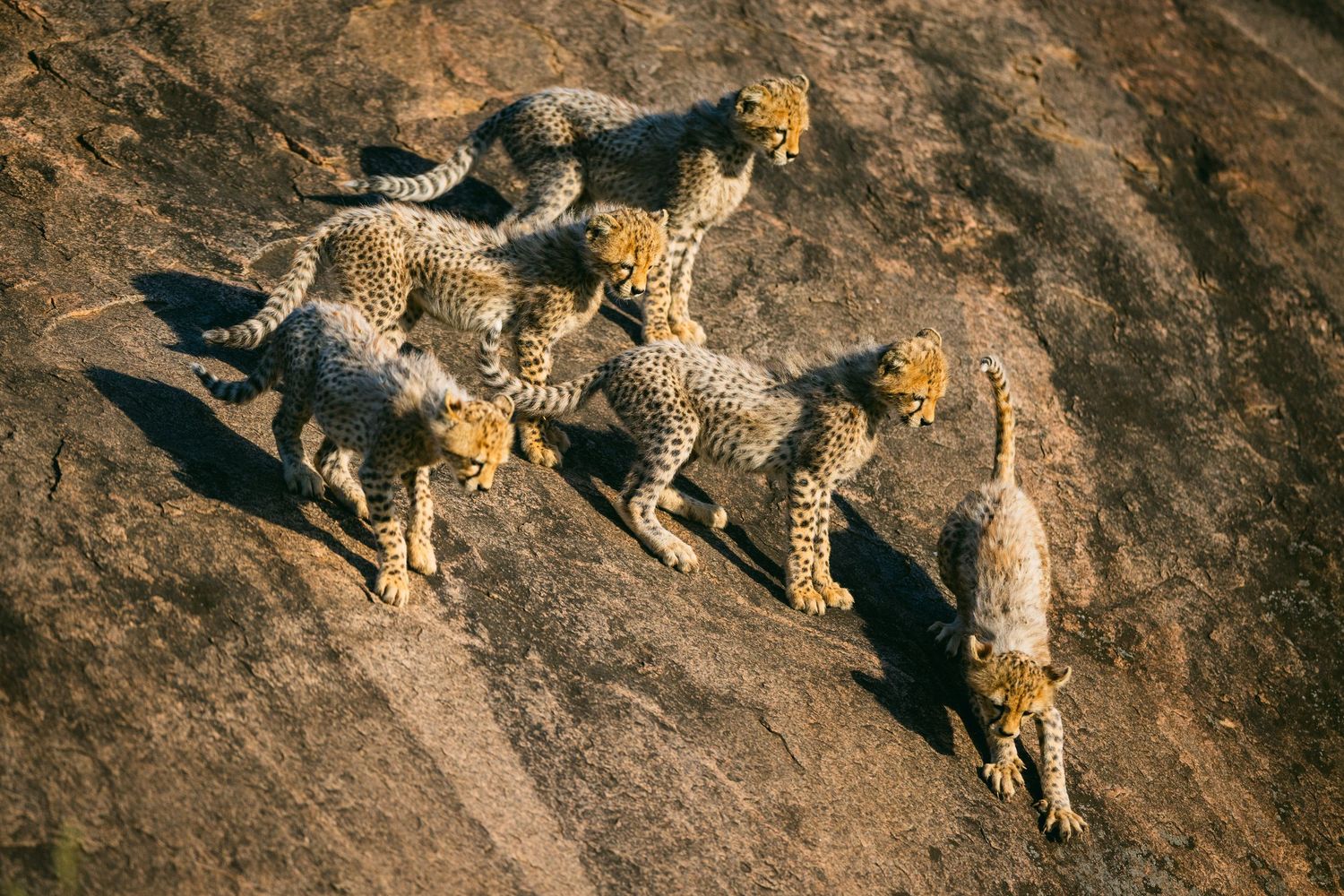
A female cheetah with five cubs near a kopje I will not name here. Five is a great many for a cheetah to still have with her.
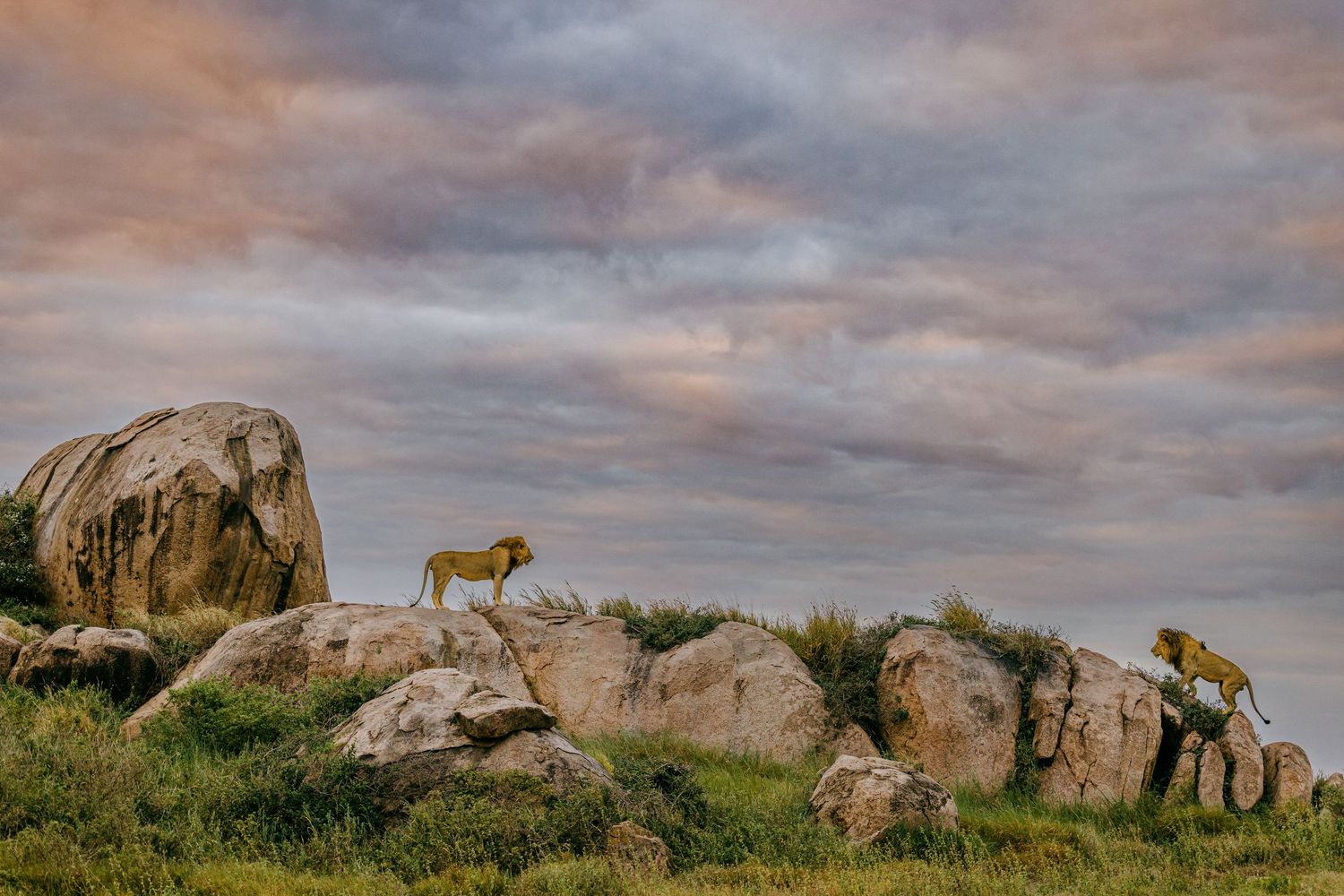
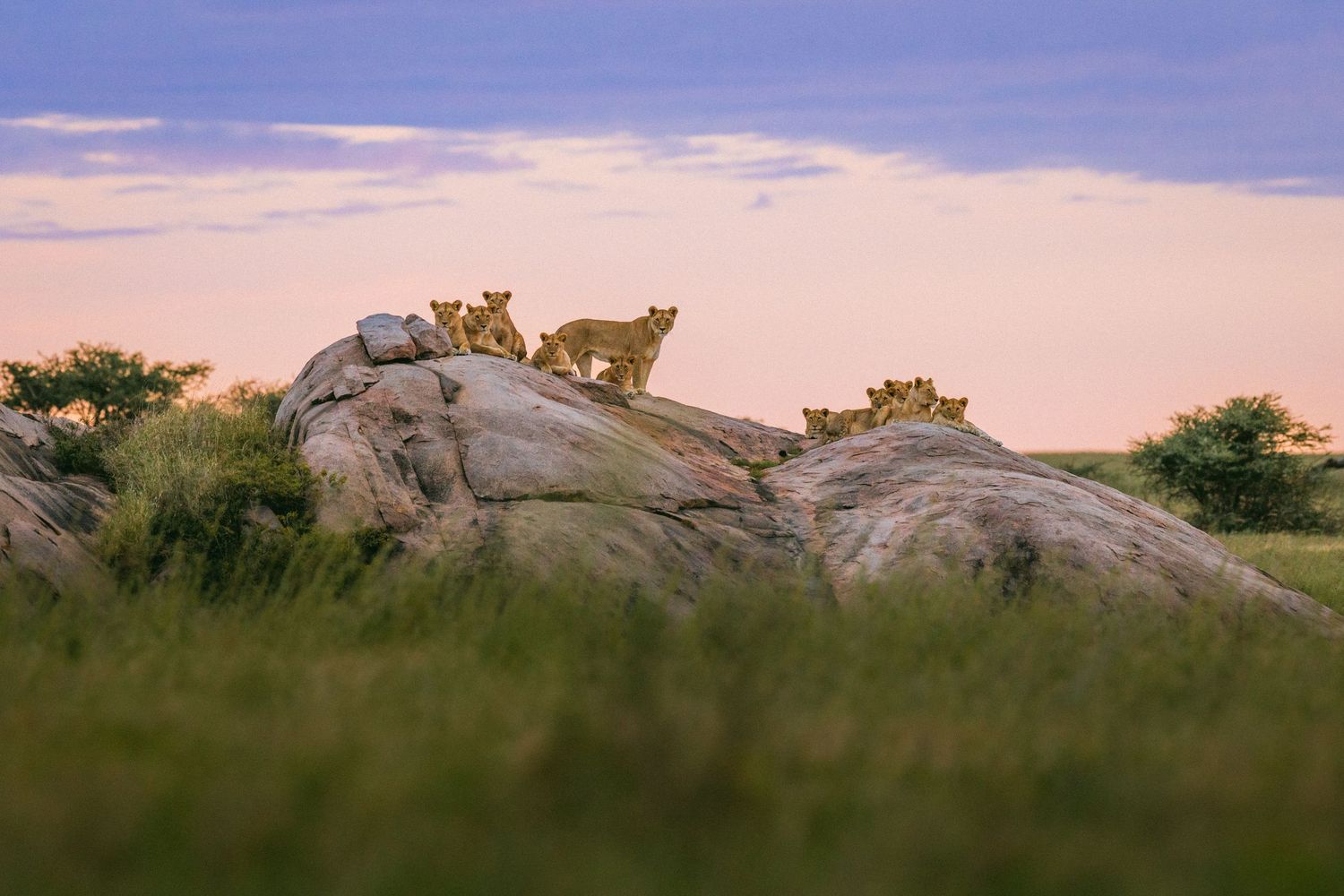
A pride near the zebra kopjes that kept us for an entire evening. Mostly sub-adults, doing very little in very good light, which is one of the more underrated pleasures of this work.
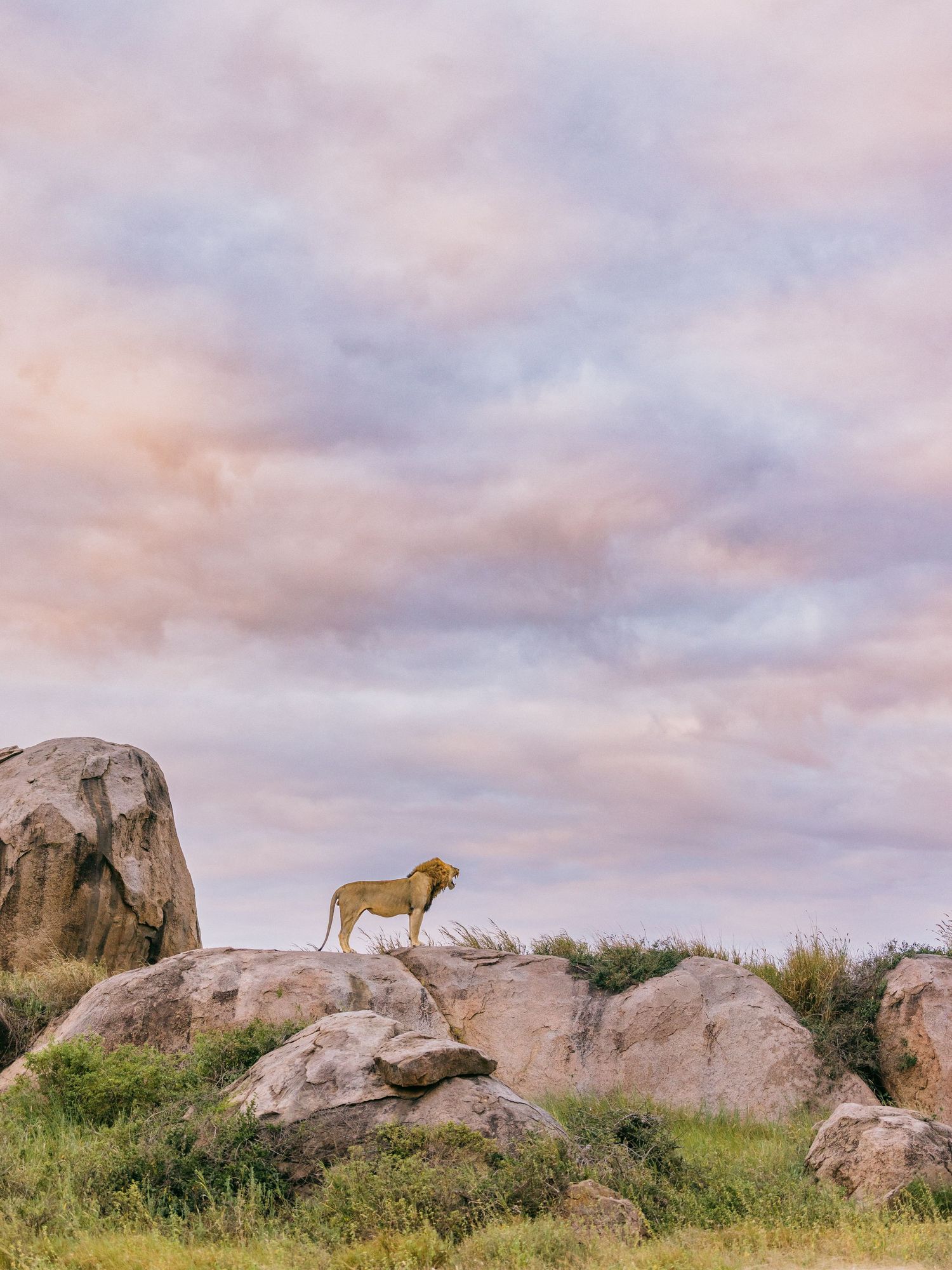
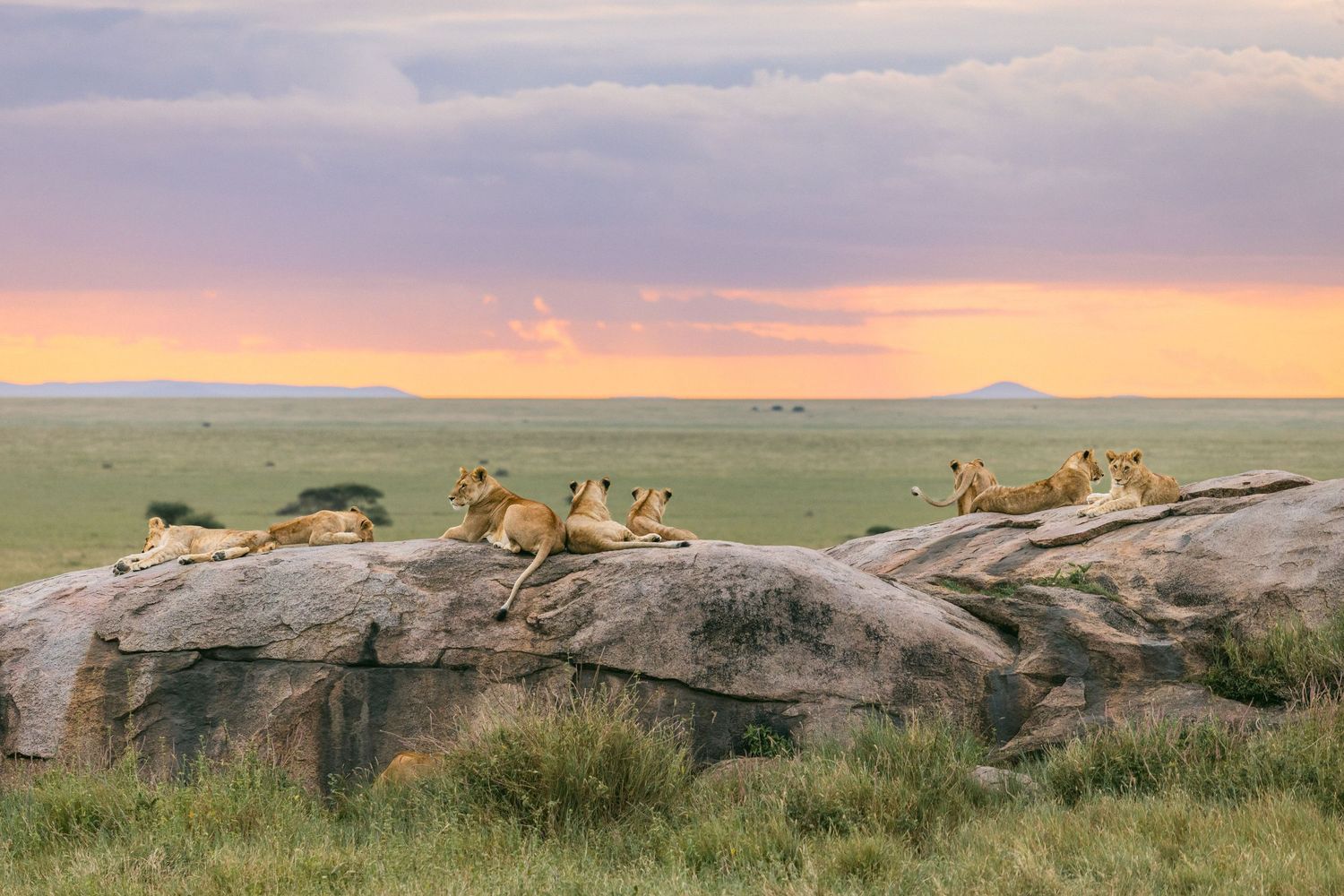
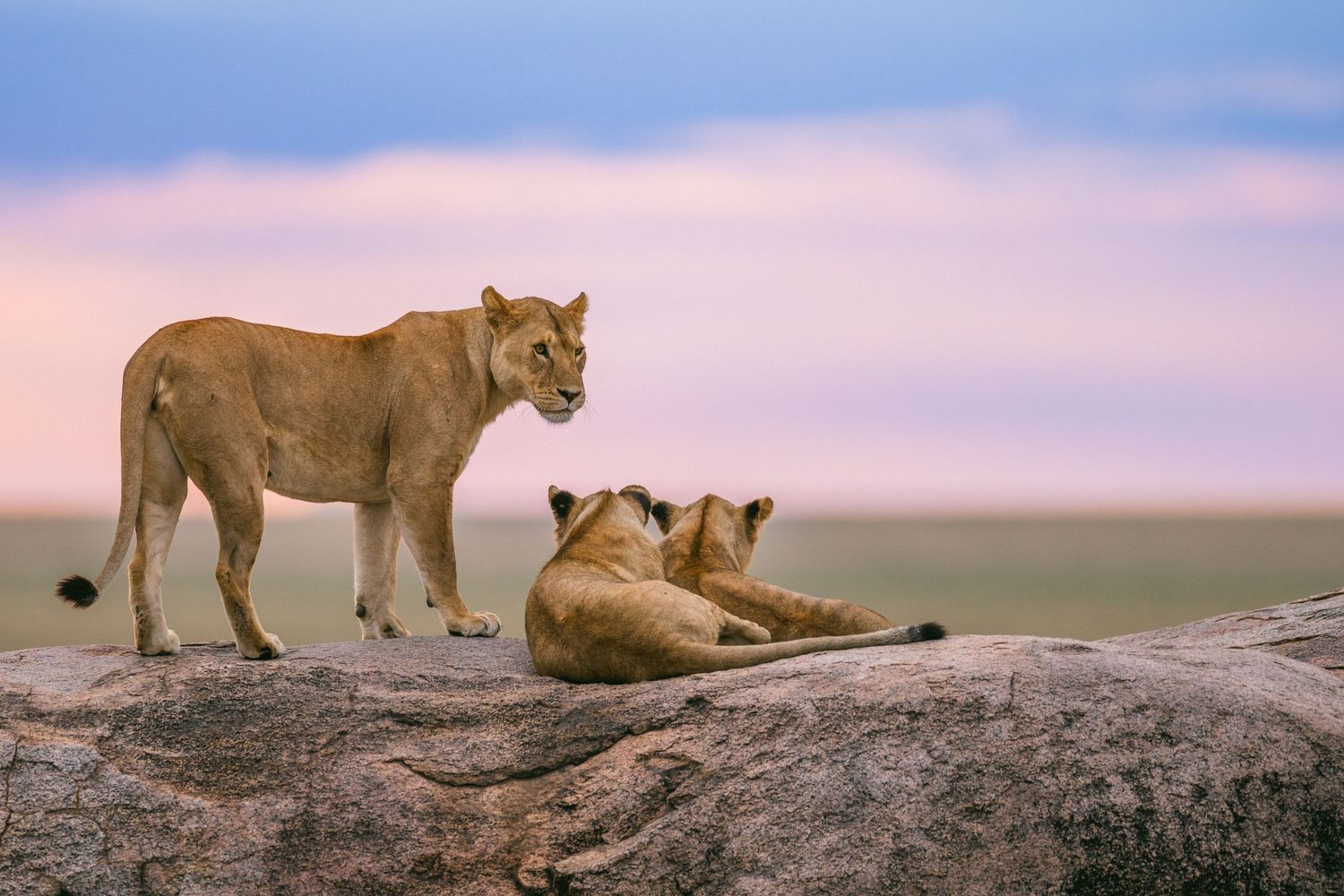
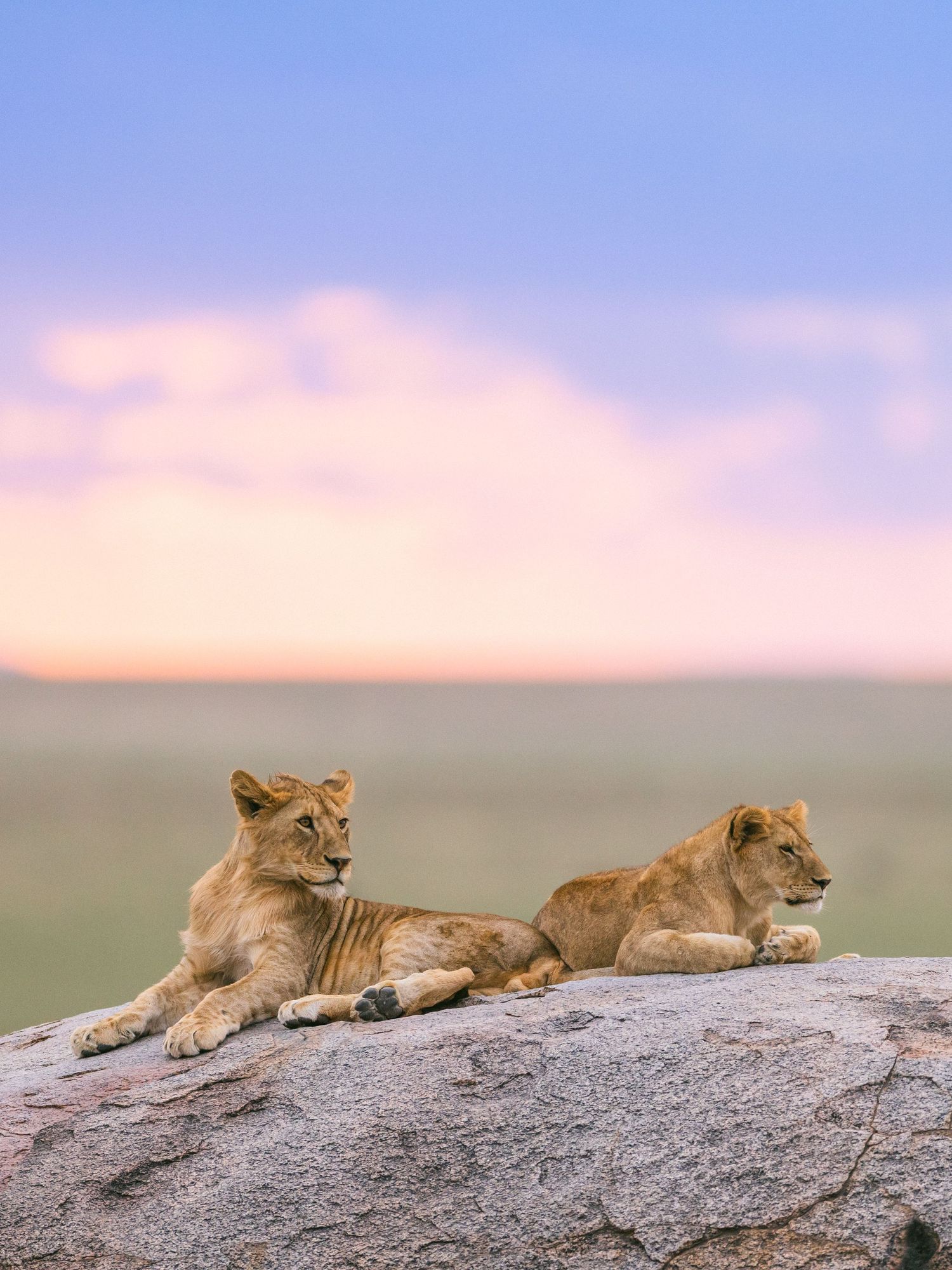
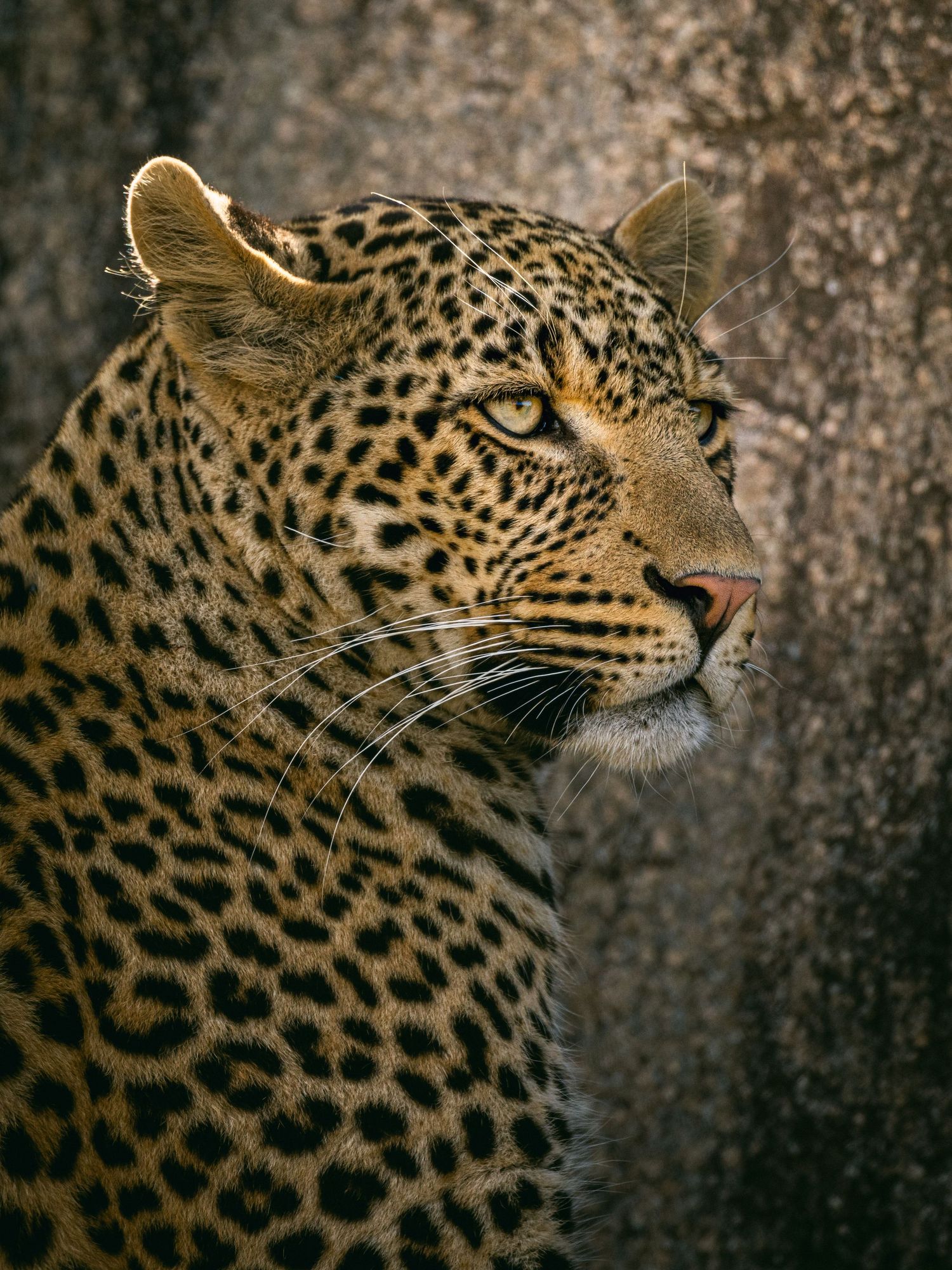
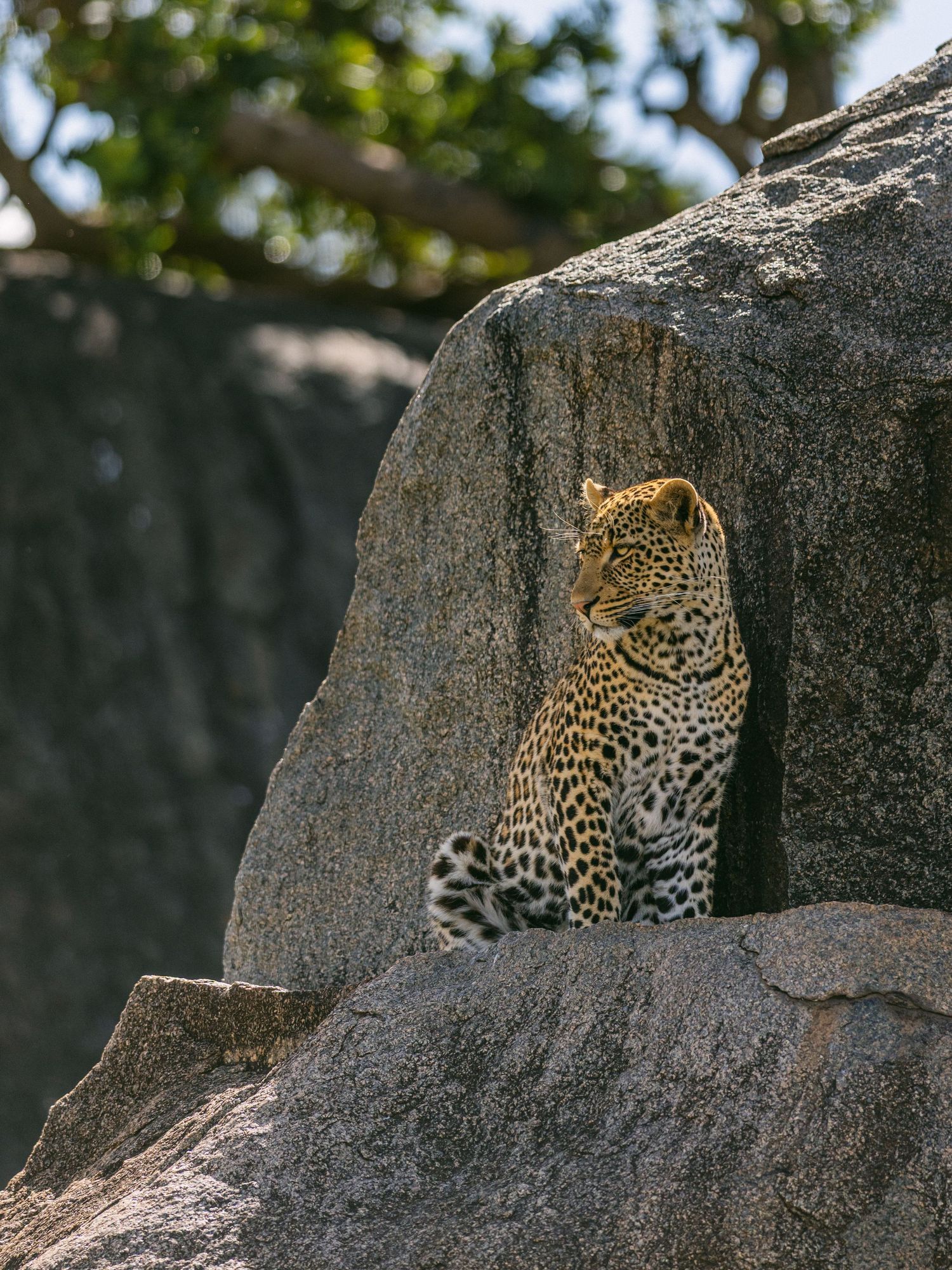
And two leopards, on two afternoons.
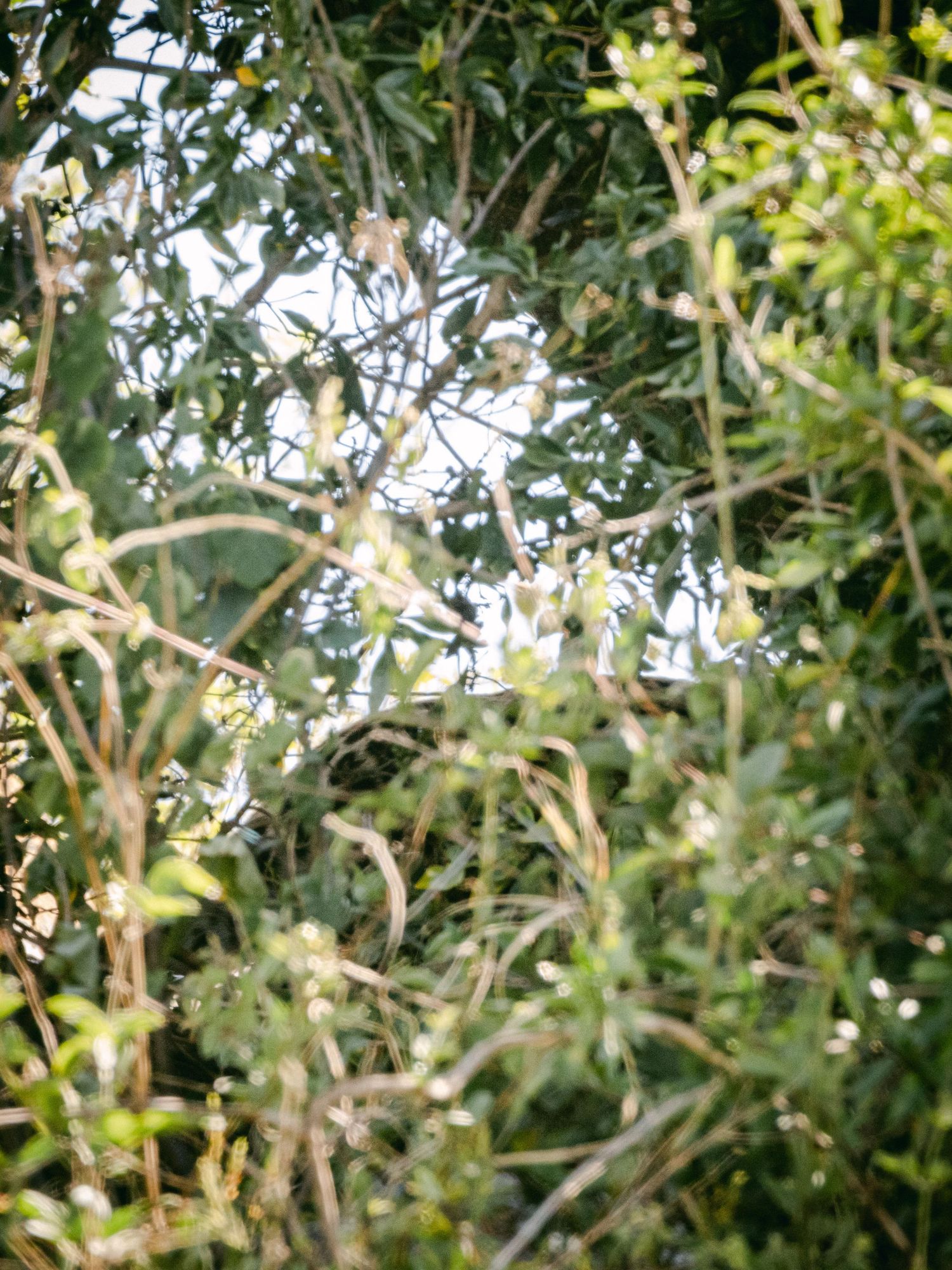
The first one we found the hard way. A fragment of pattern behind leaves, so faint it could have been light through foliage, and then the smallest movement that made it certain. We waited a long time for him. My guests waited with cameras up, knowing the photograph was never going to be much. It was their first leopard, after days of looking, and finding him mattered more than getting a good shot.
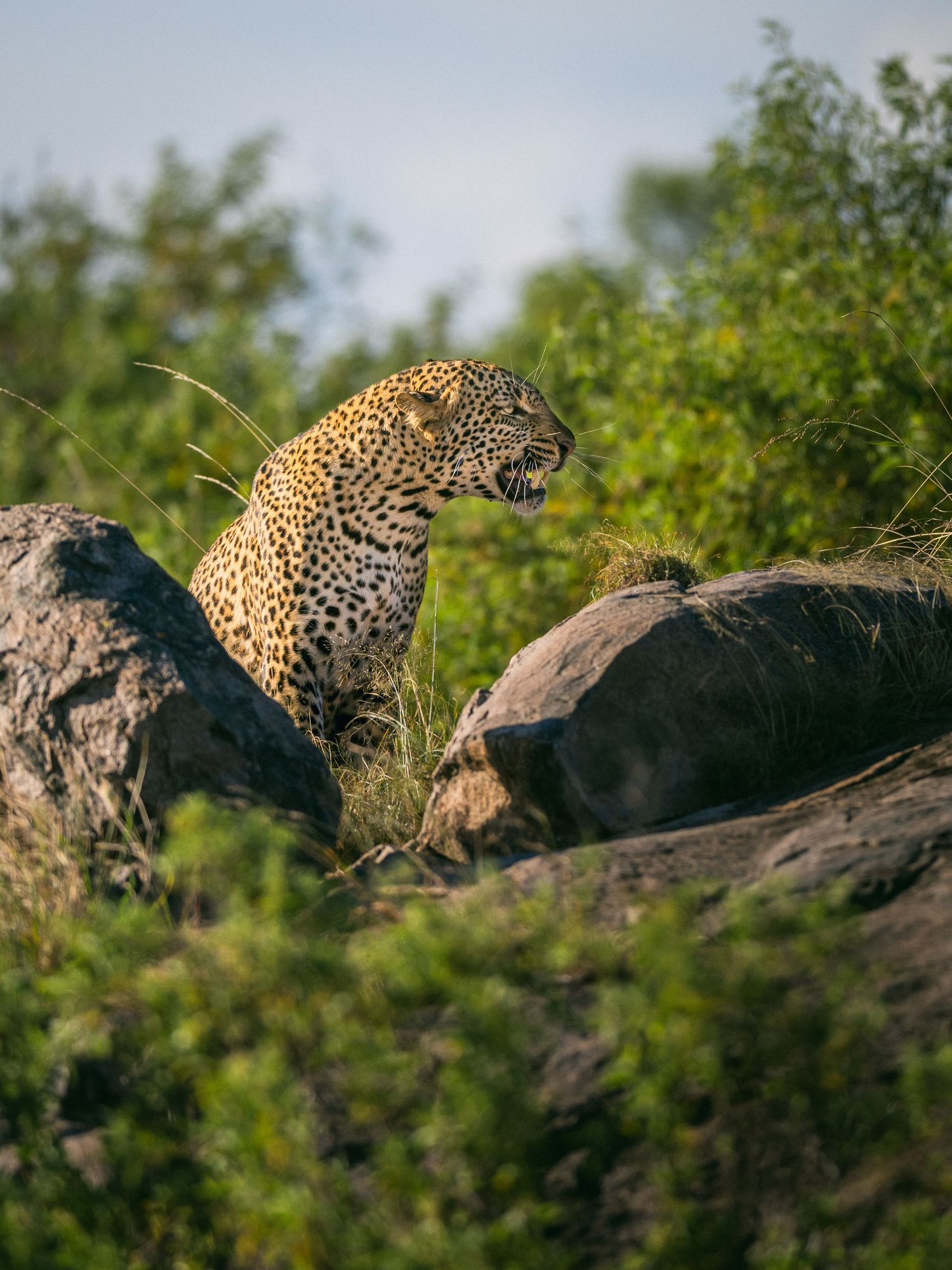
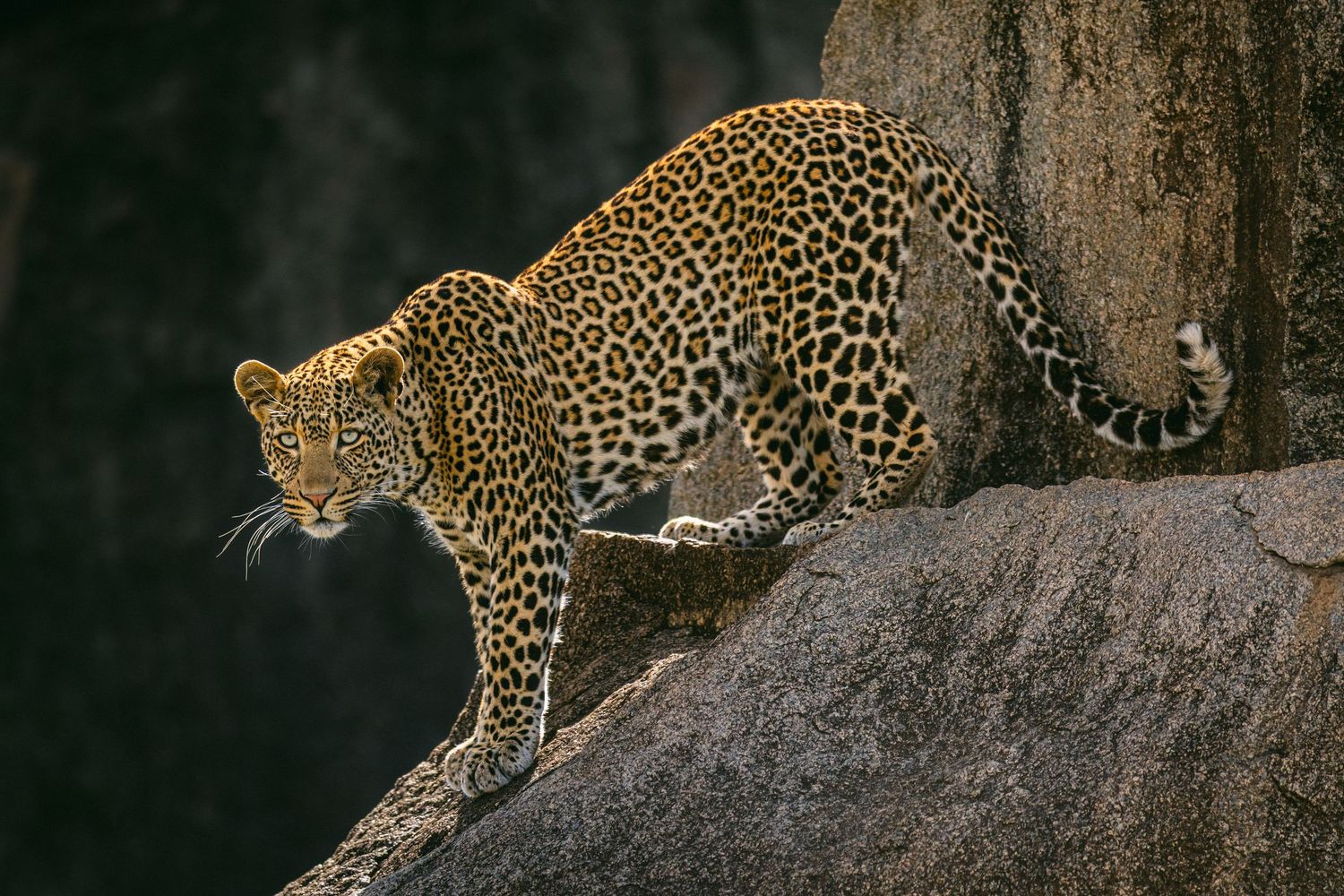
The second came on our last afternoon, a young male out on the rocks with the light behind him. Only a couple of other vehicles with us. He moved through the boulders without paying us the slightest attention.
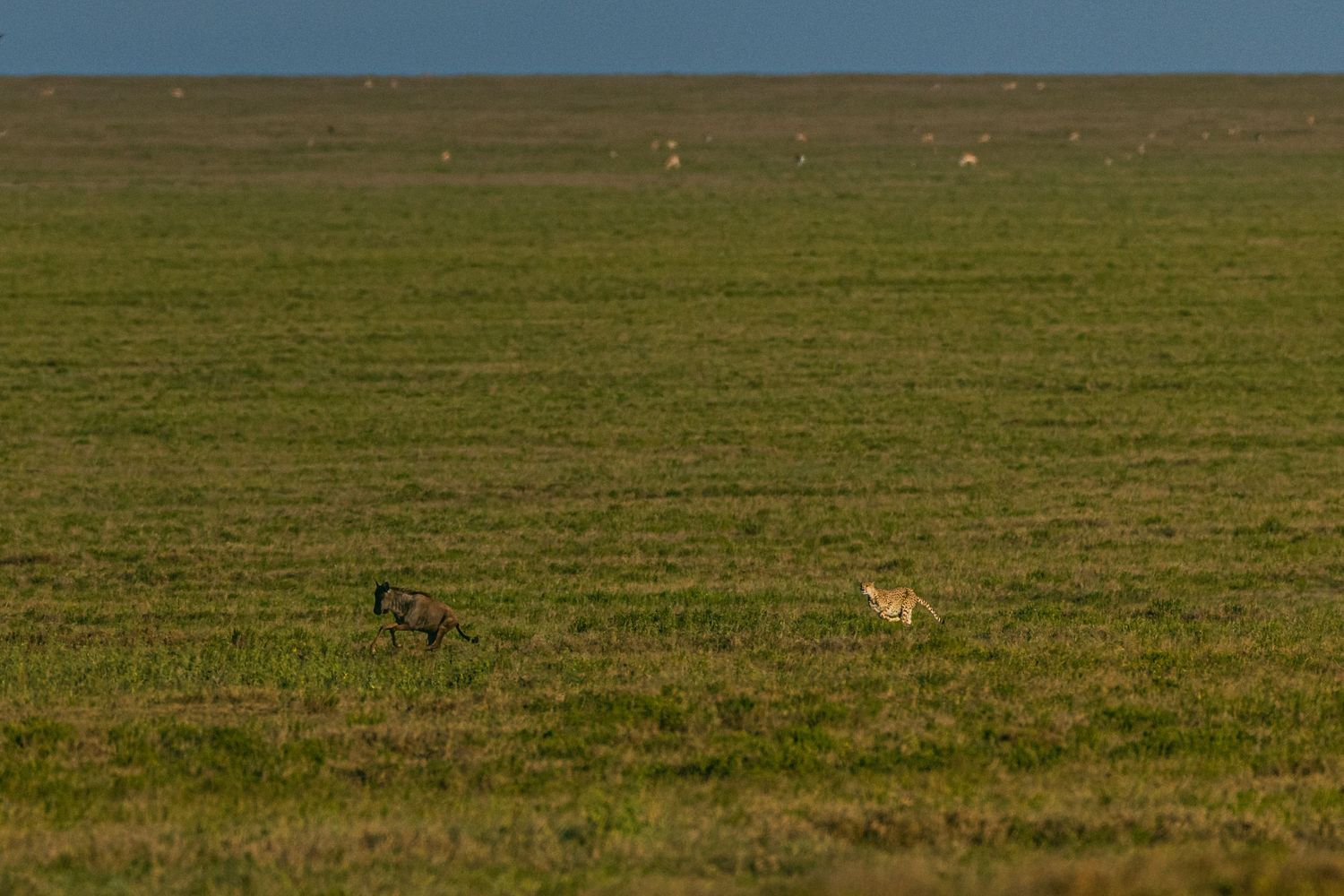
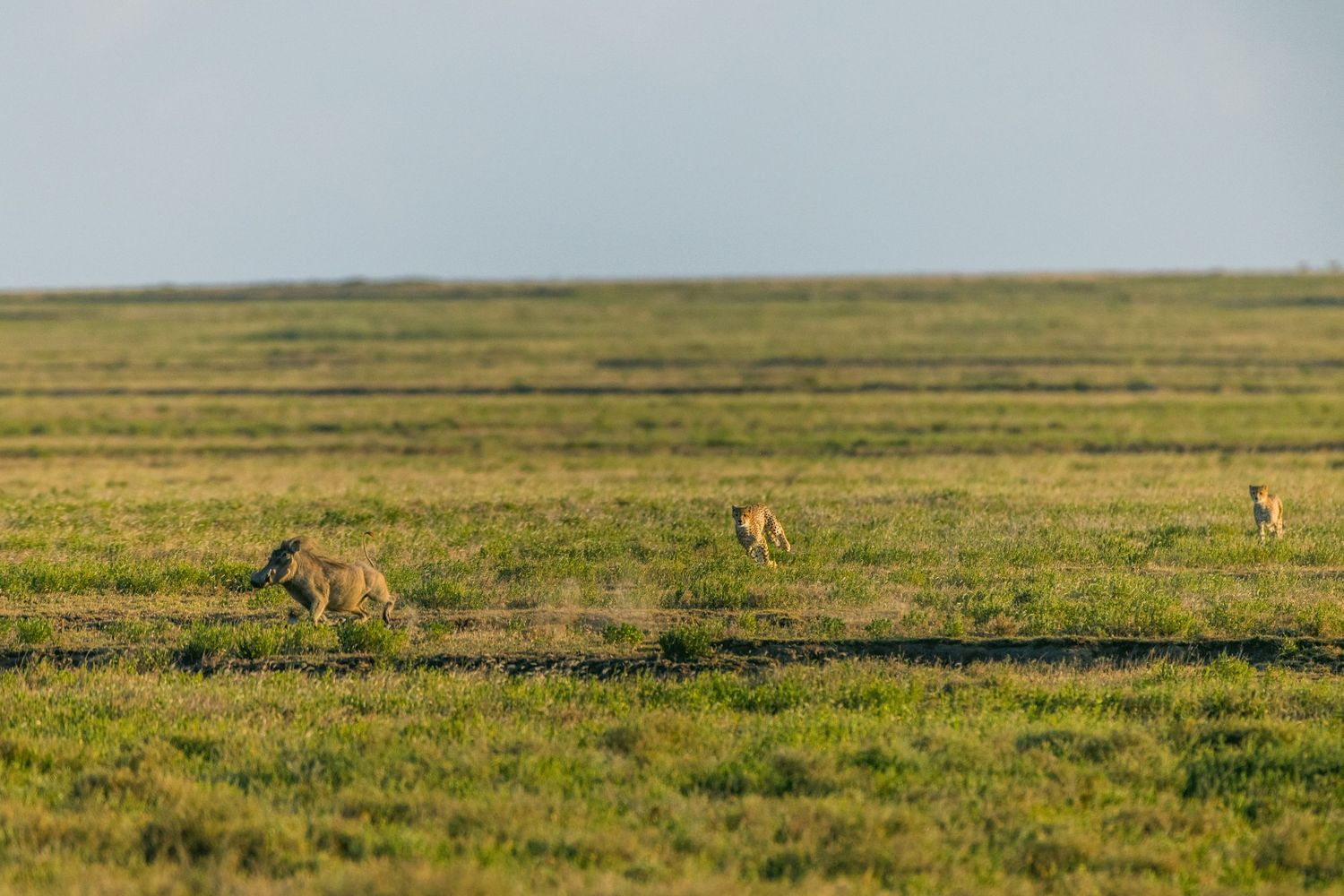
We watched three male cheetahs hunt twice in one afternoon and fail twice, first at a young wildebeest running from something we never saw, then at a warthog that walked into them almost by accident. Both times they missed. That is the part people do not expect. Most hunts end this way, and watching it happen from a distance tells you more about what these animals are up against than any successful kill would.
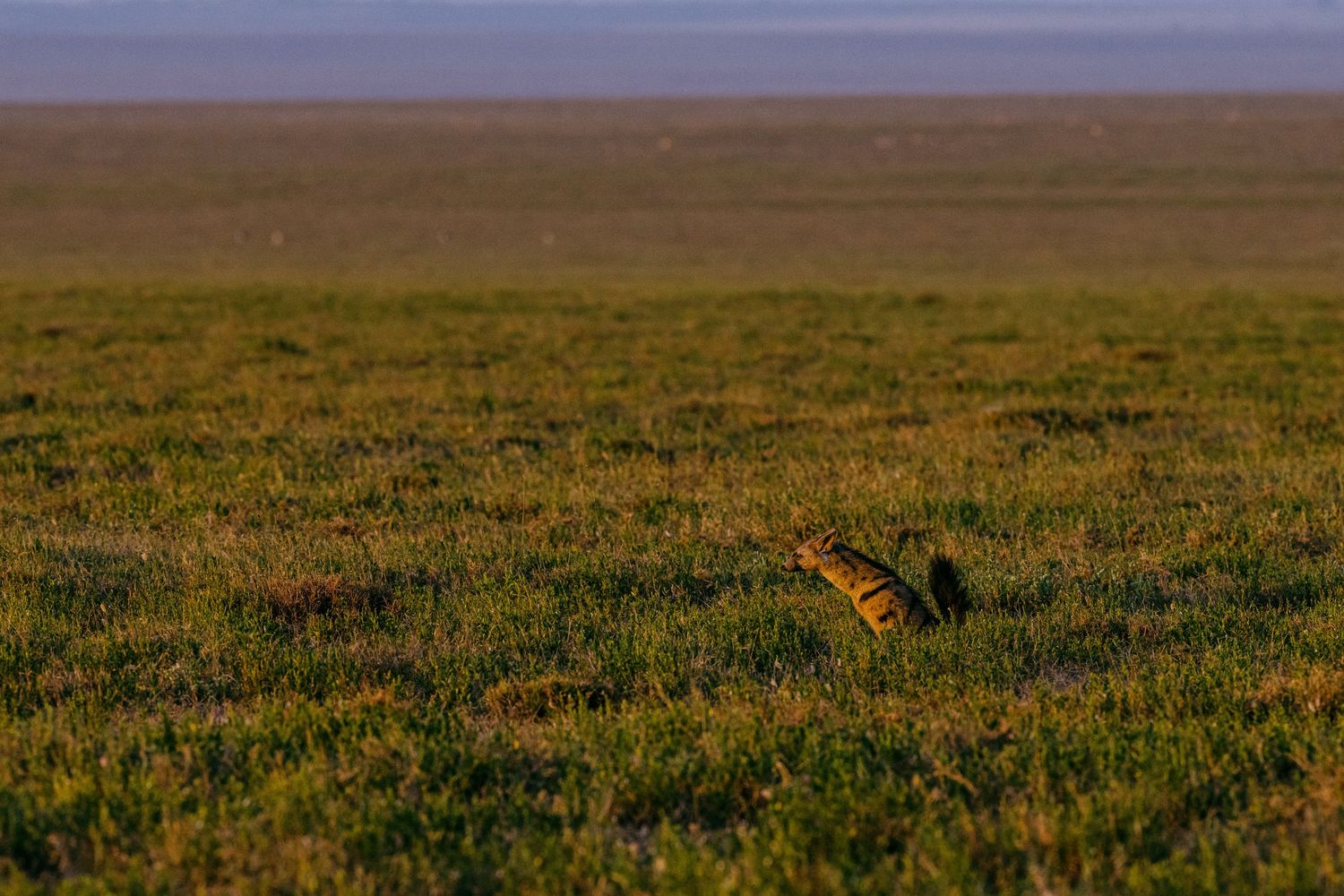
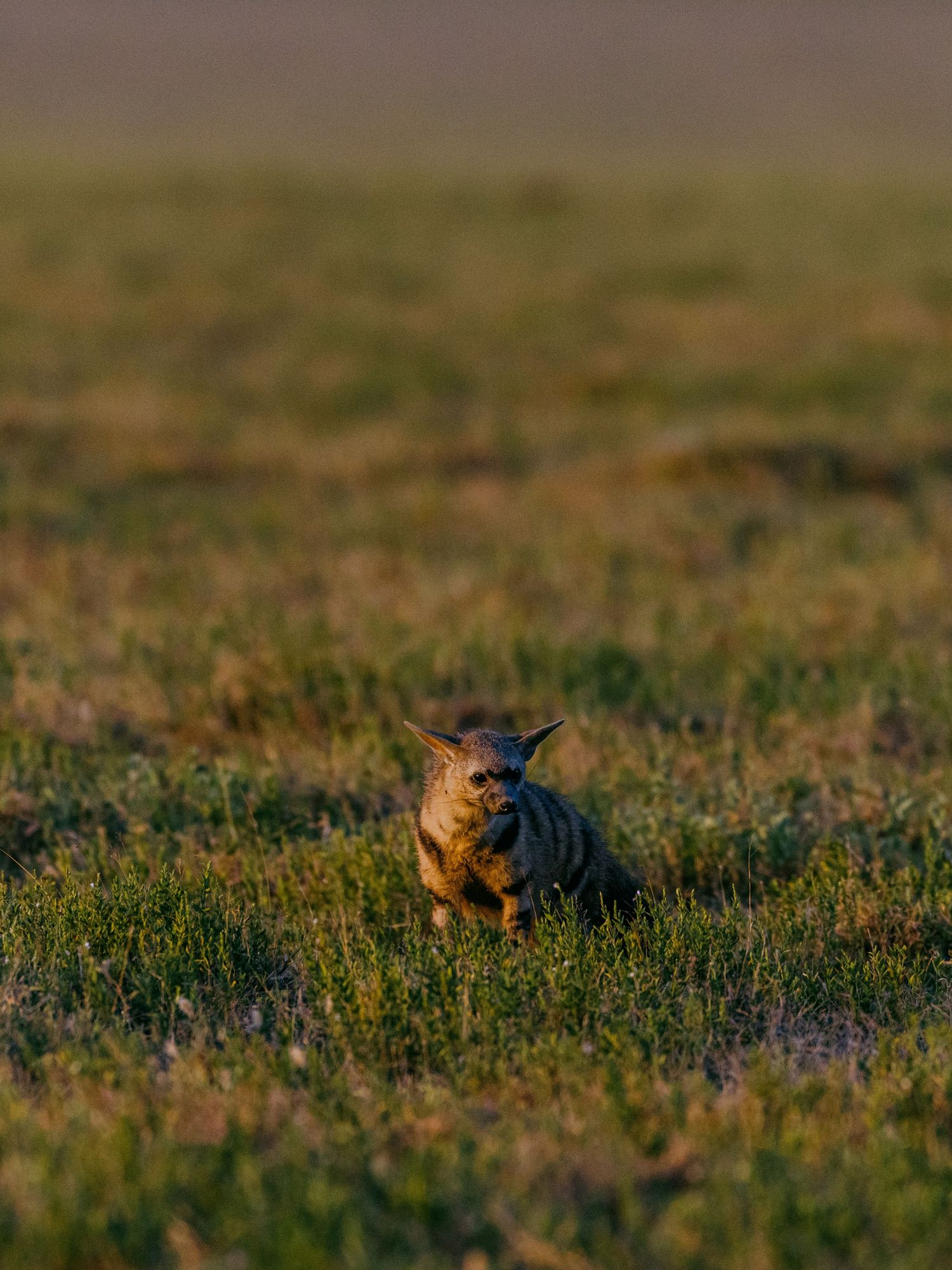
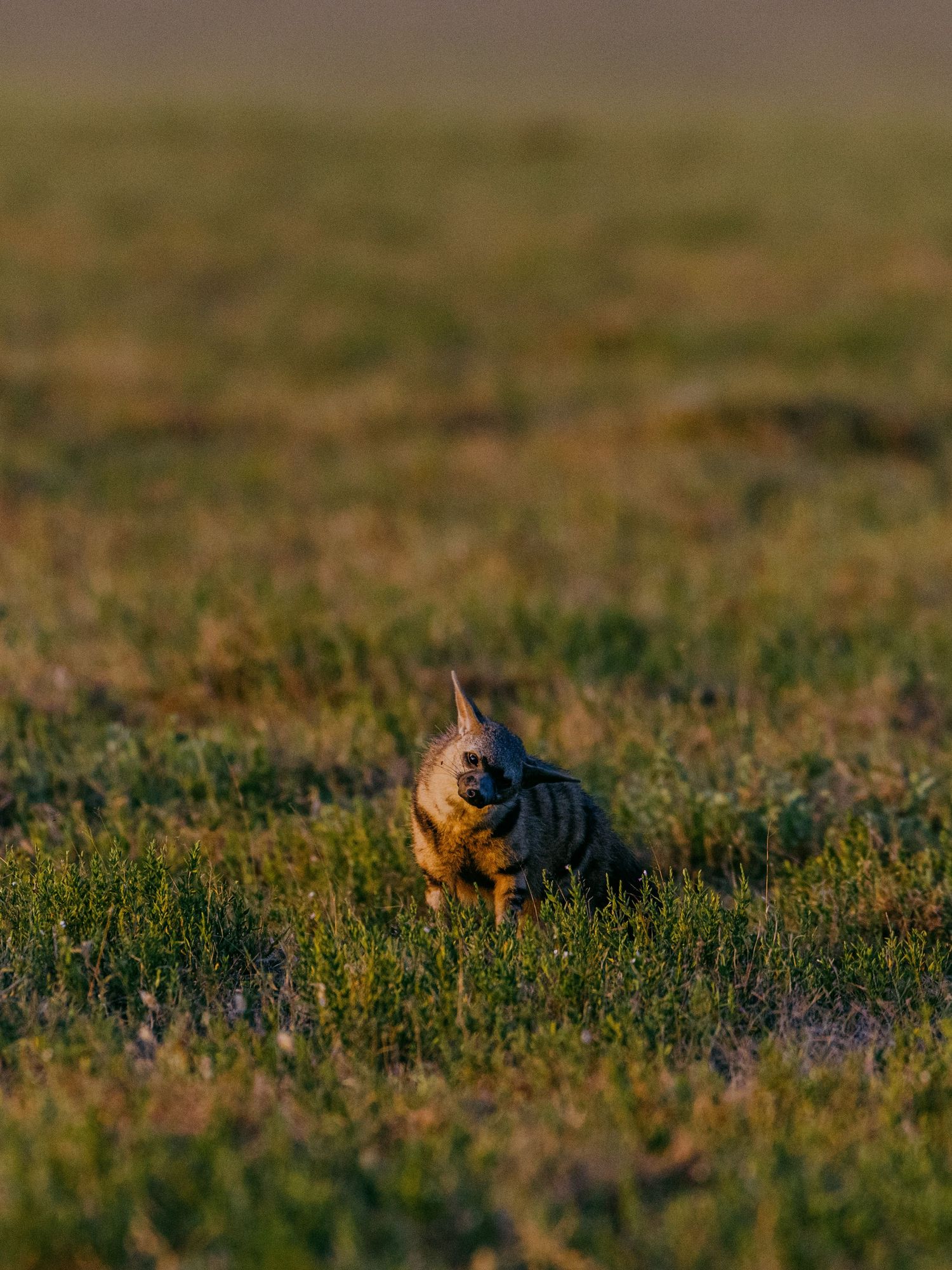
One the same day at sunset, a pair of aardwolves at the edge of the grass. Rarely seen, more rarely photographed, and nobody else out there to watch them.
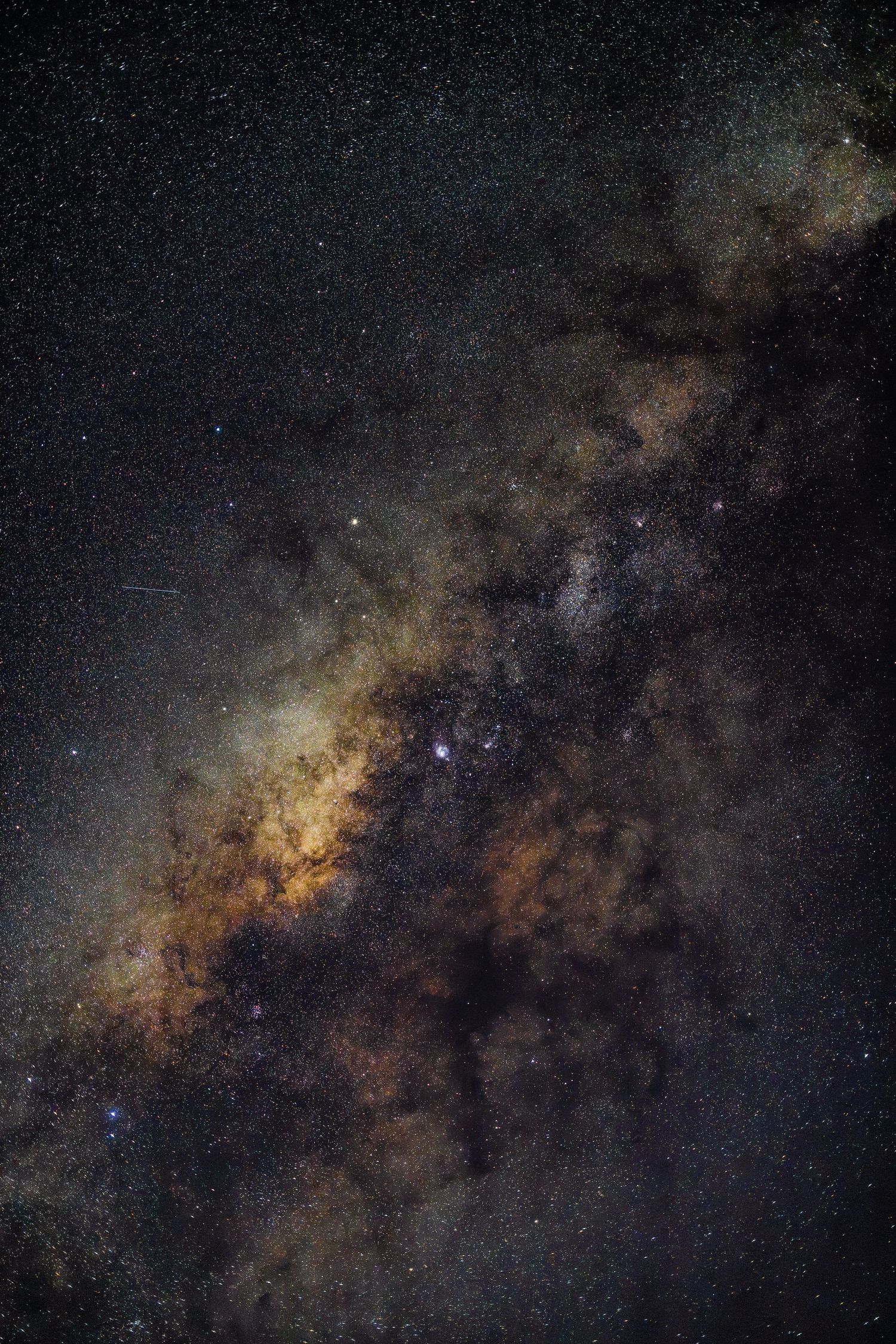
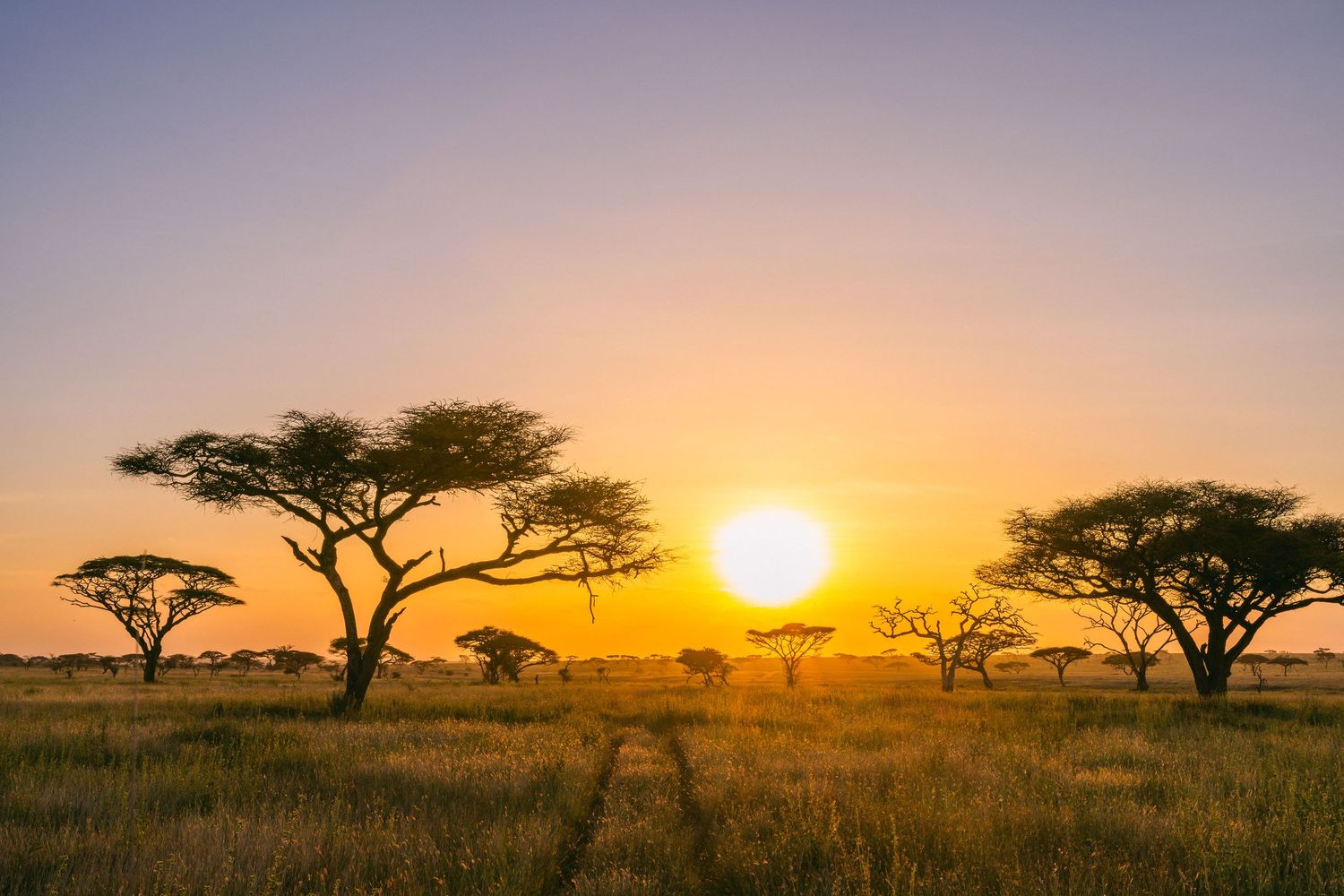
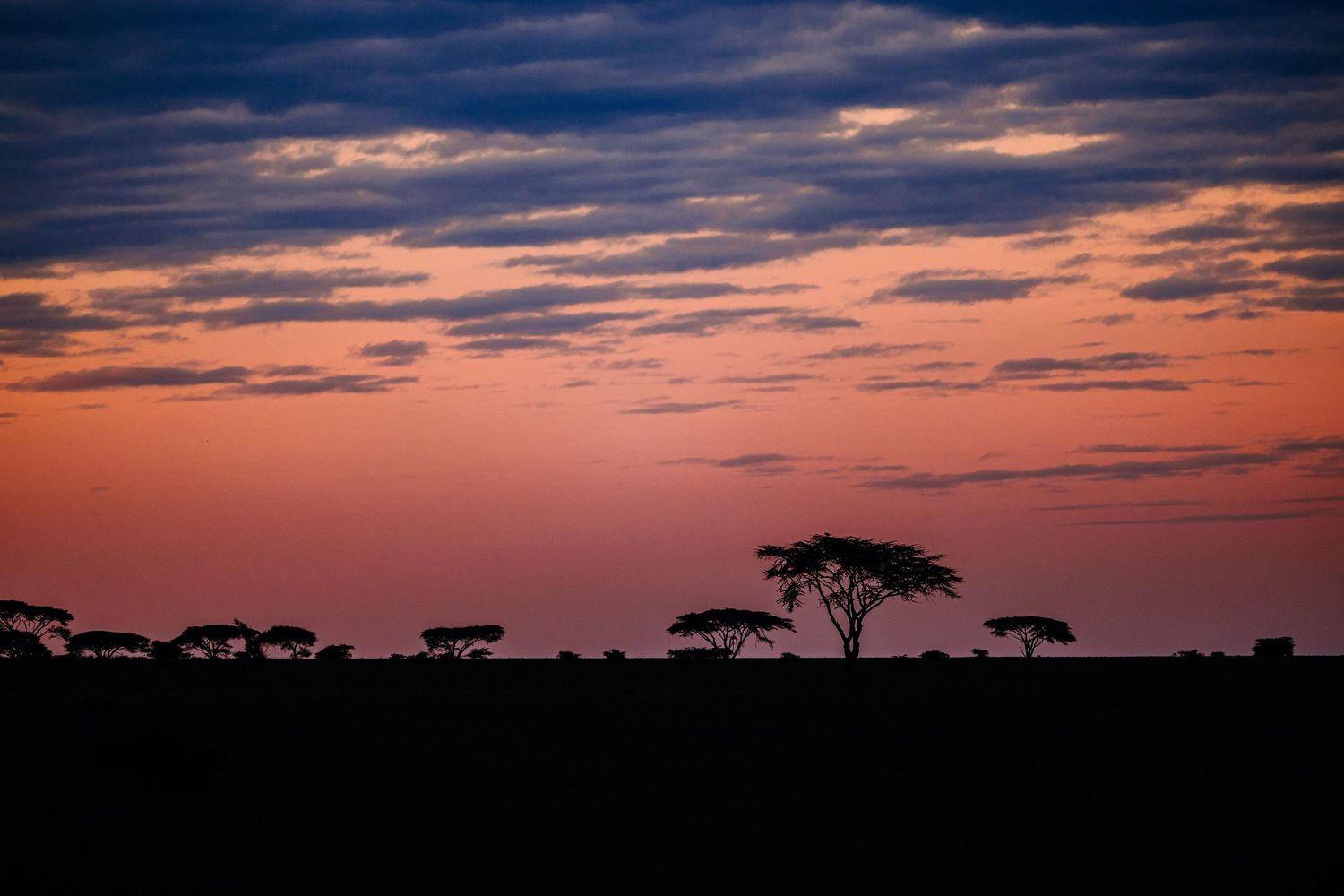
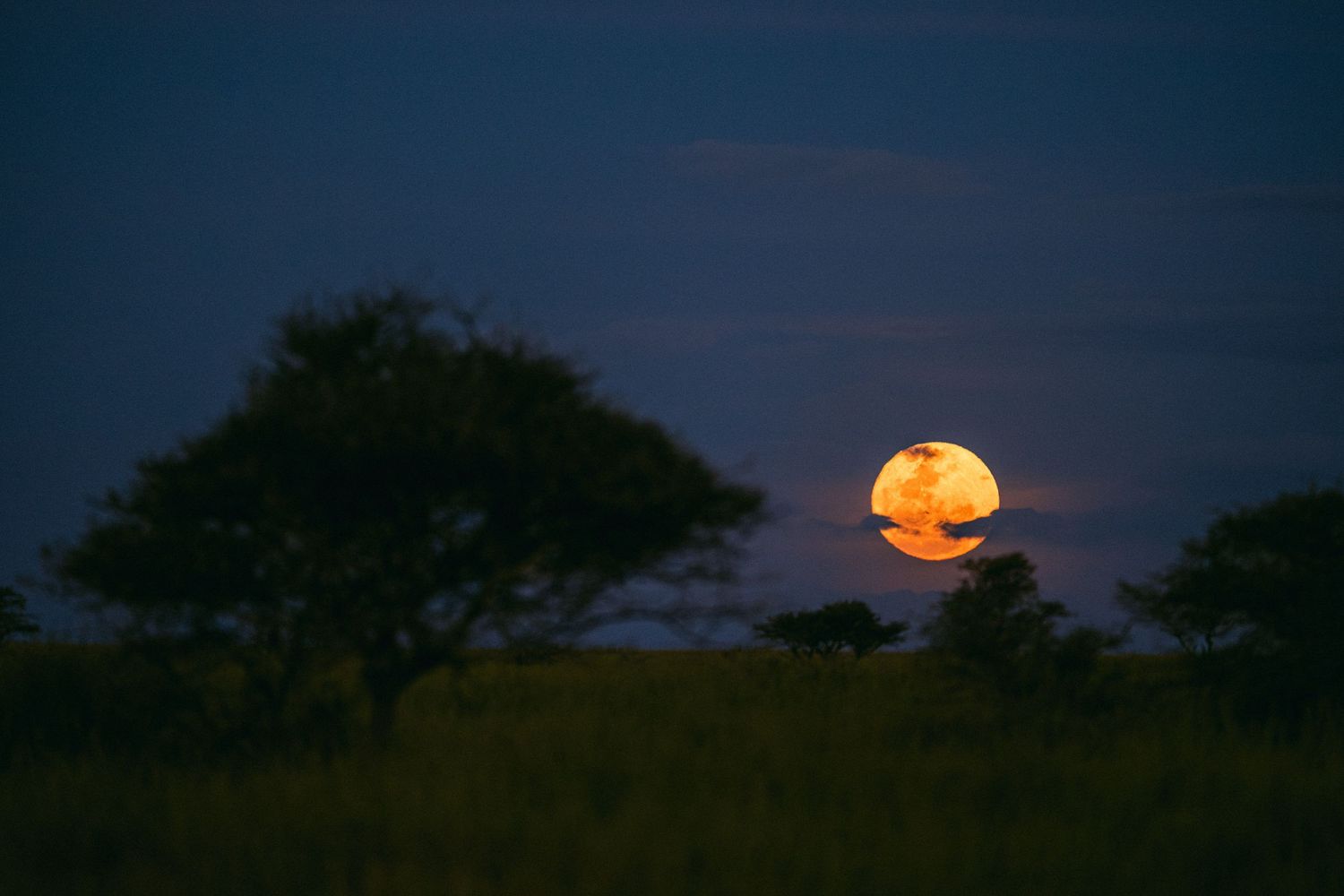
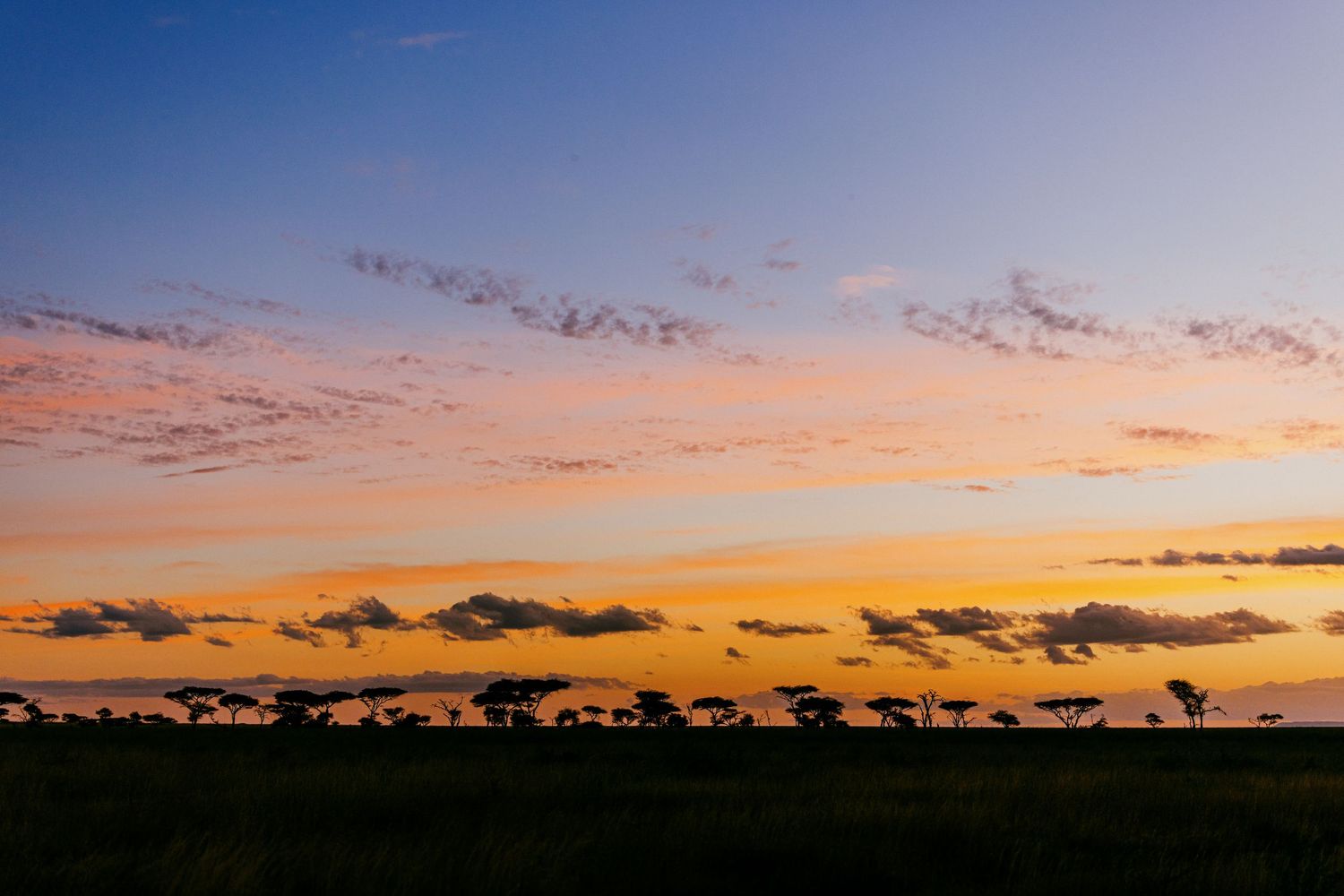
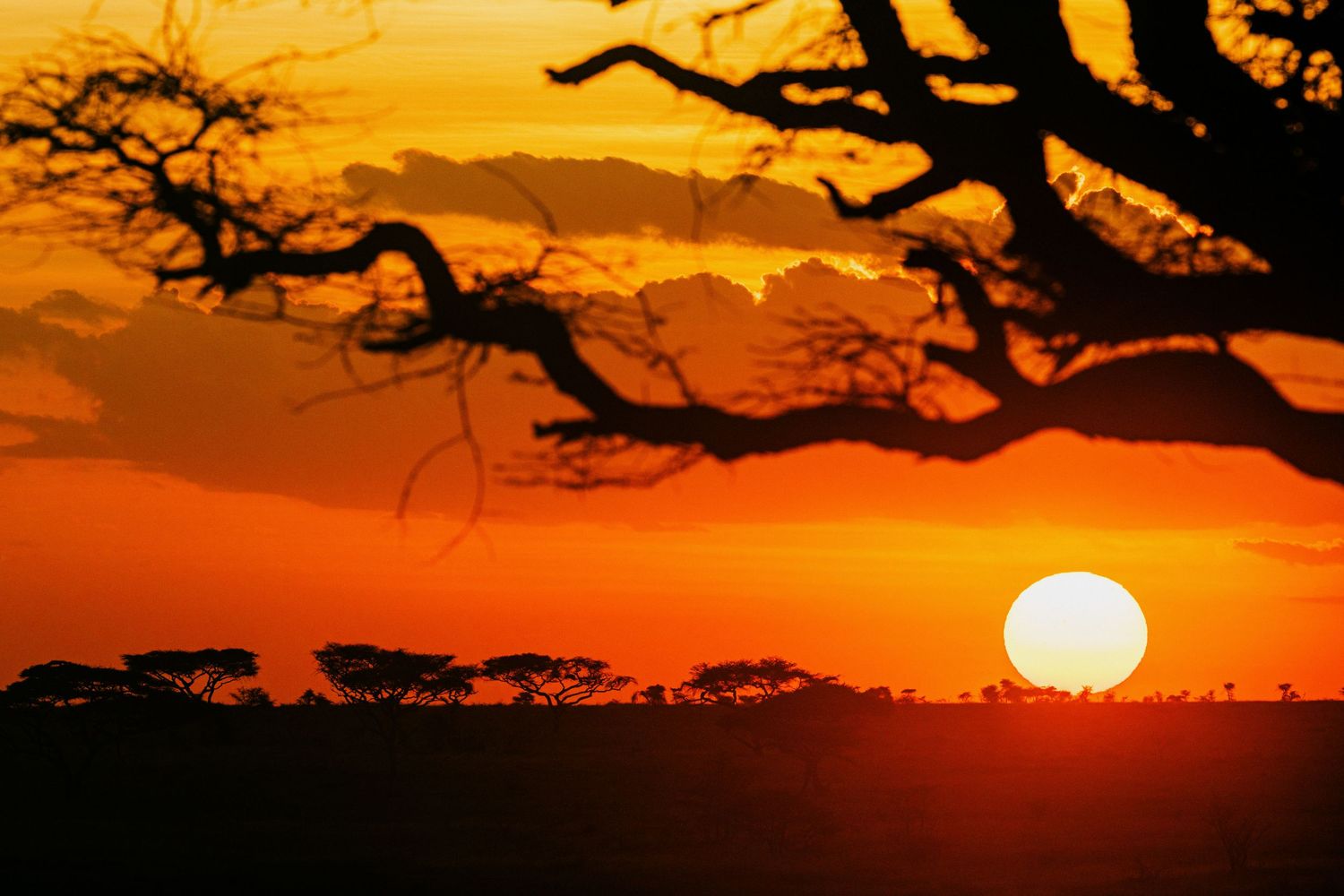
And the skies. The sunsets that week were among the nicest I have photographed in Tanzania, and one night the full moon came up over the plains.
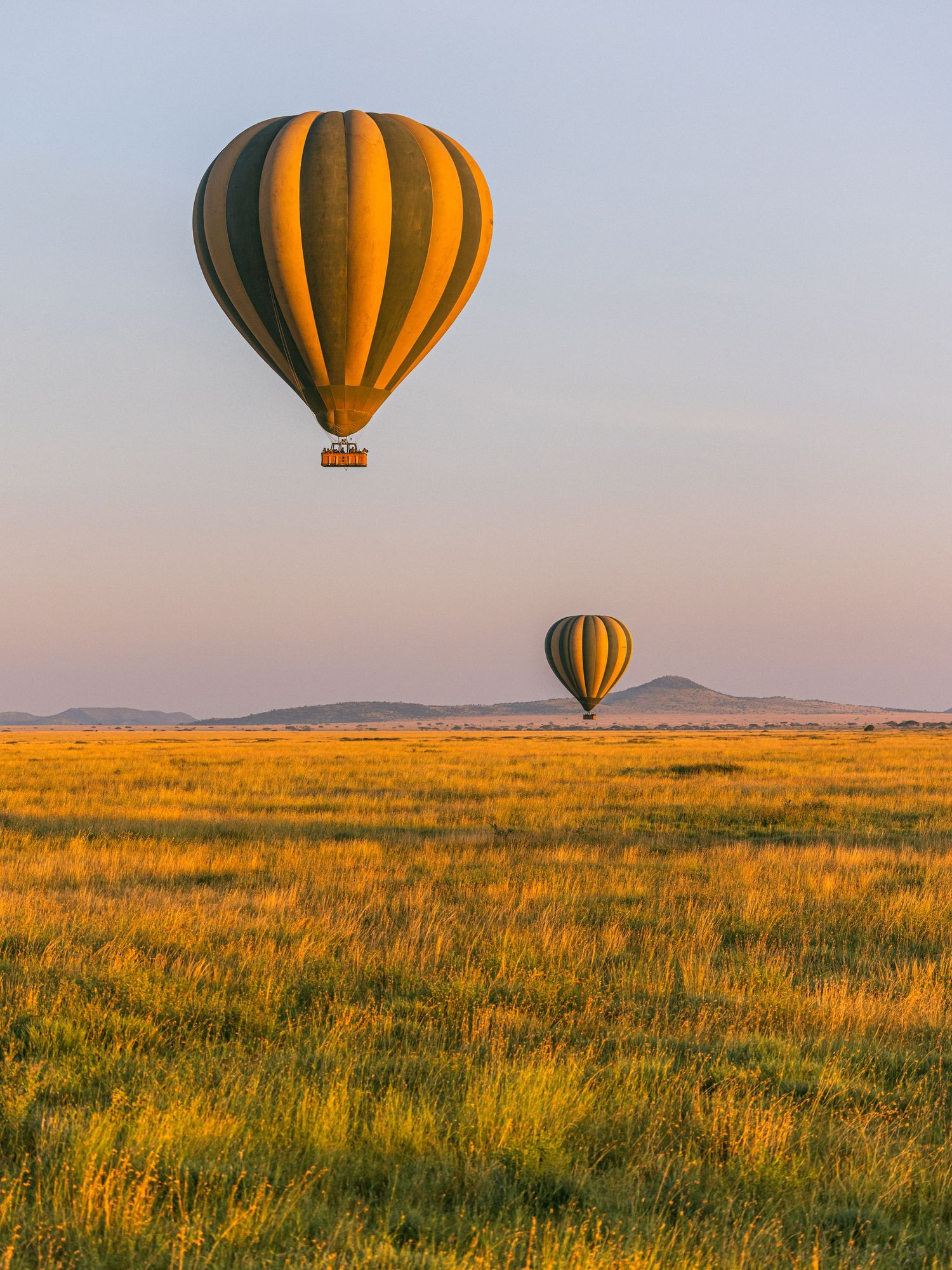
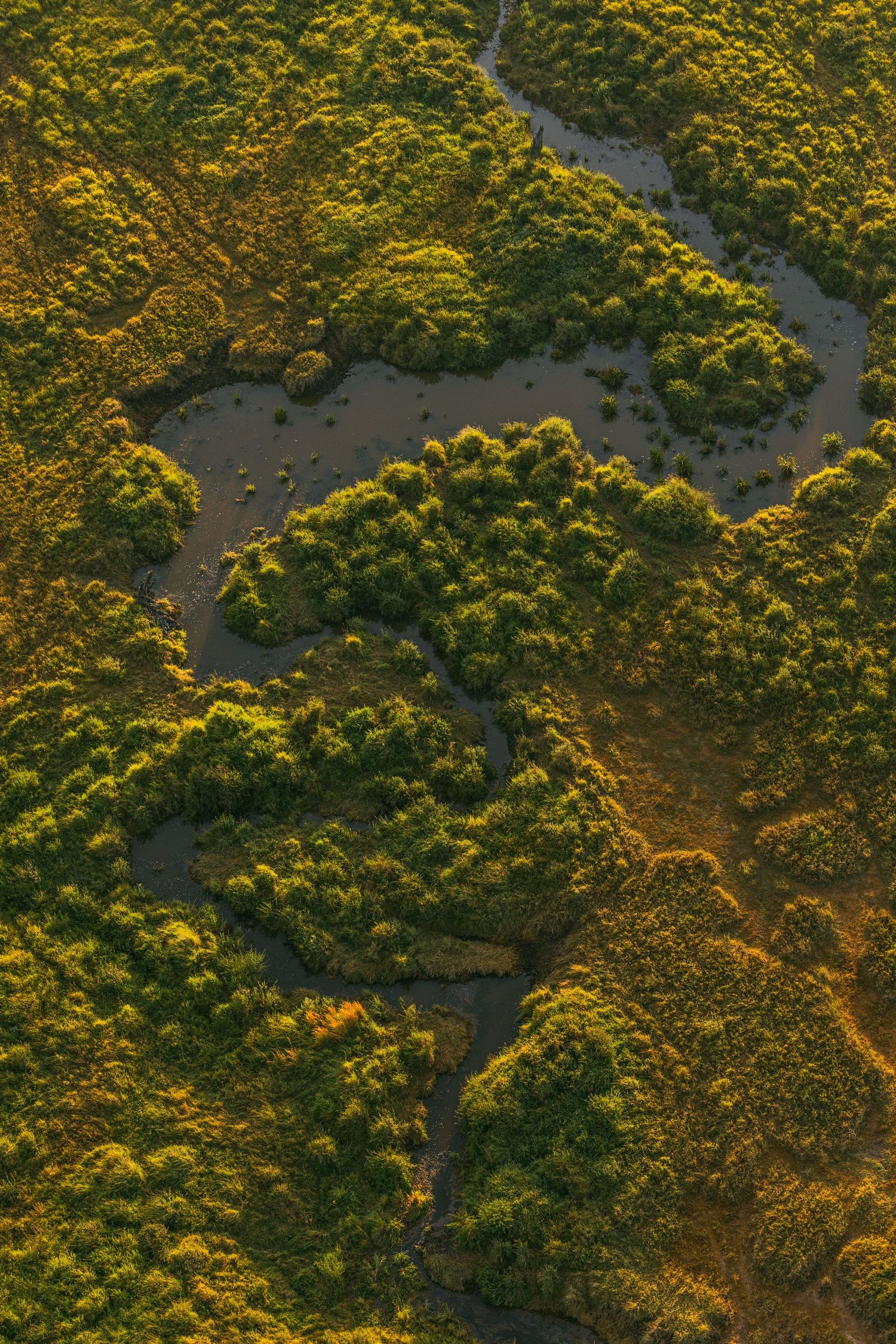
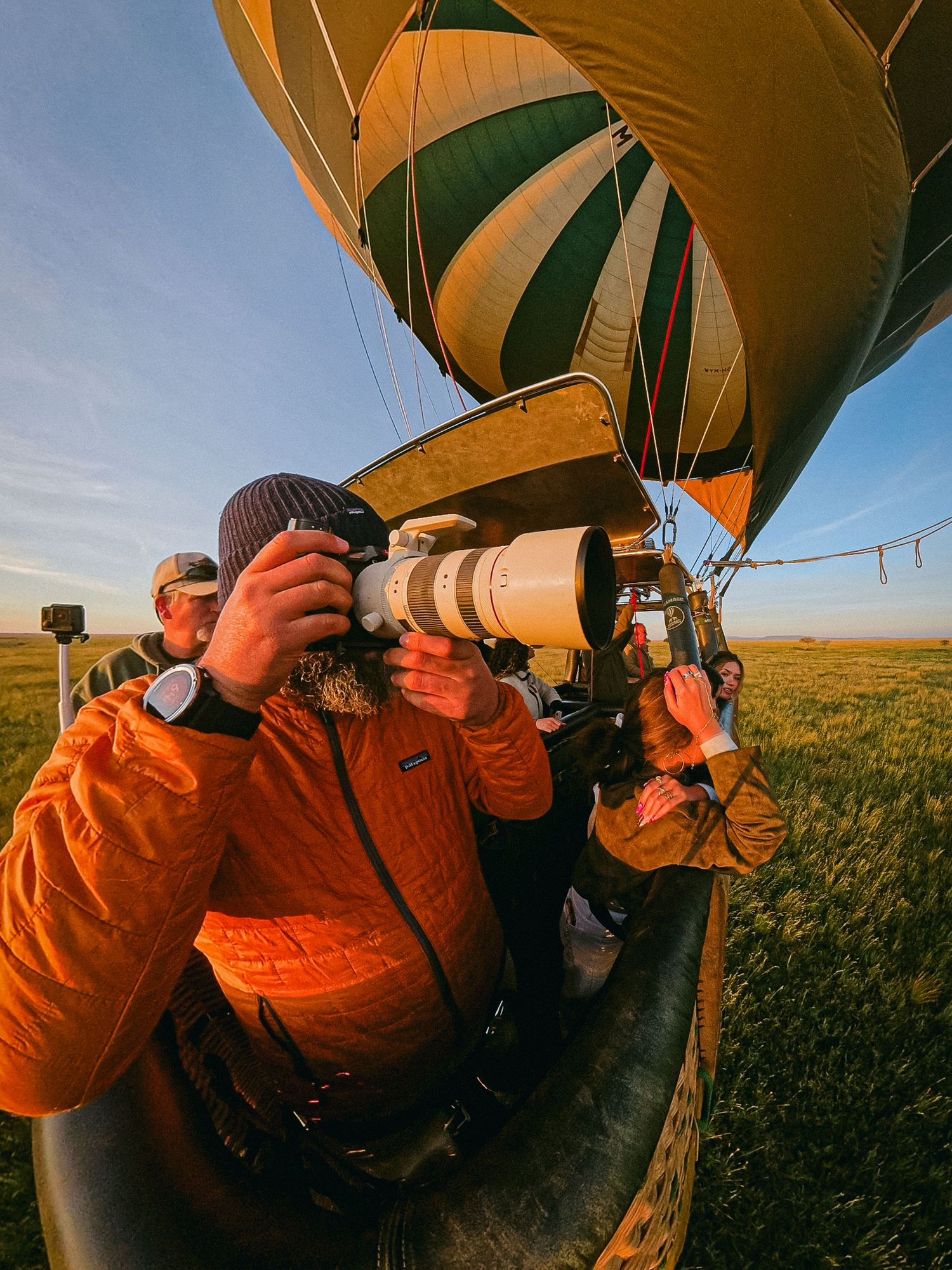
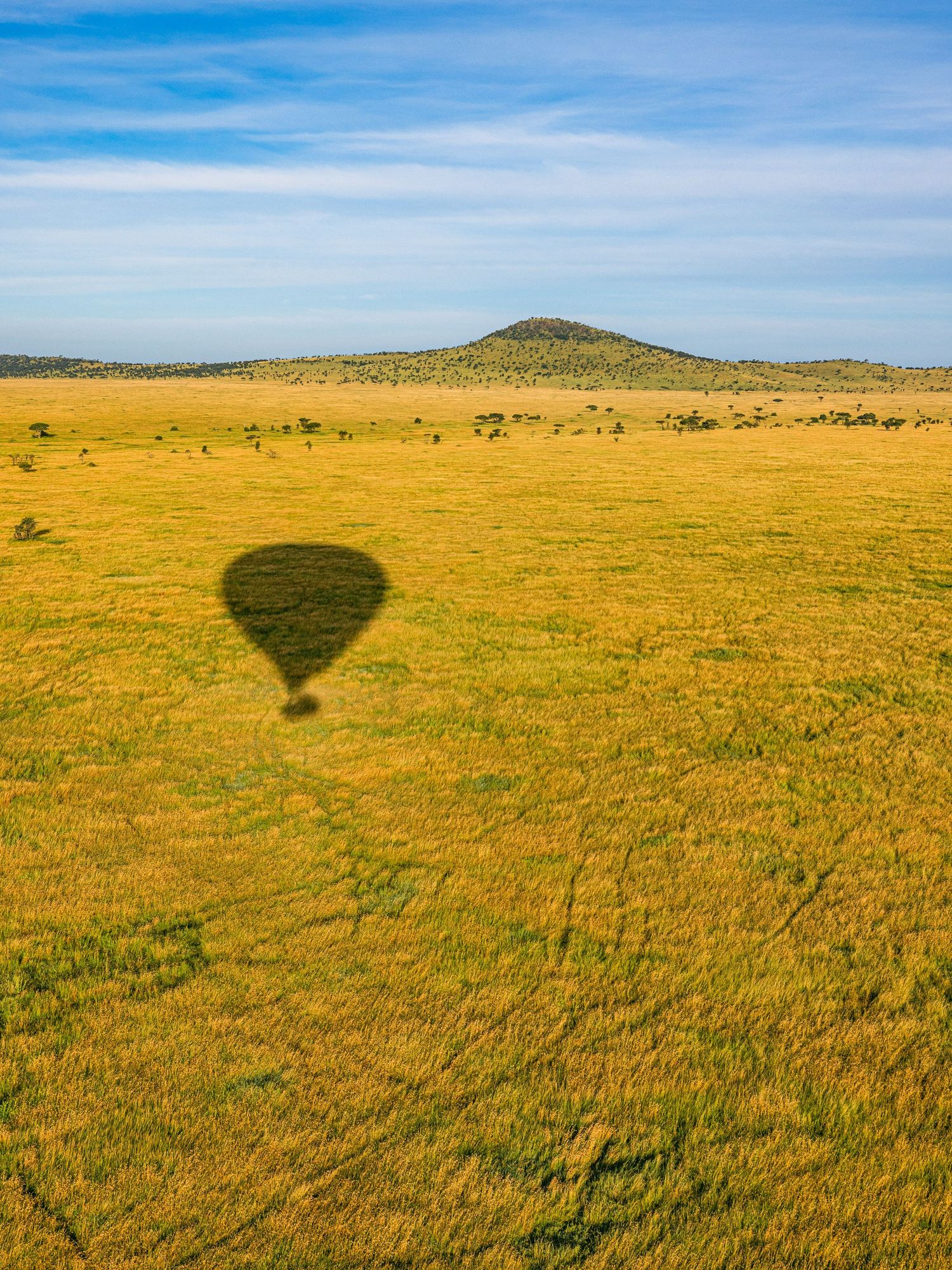
We also went up in a balloon, with Serengeti Balloon Safaris, and I want to say that I have been sceptical of ballooning.
It is not the best way to see wildlife. It is not close, and you cannot choose where you go. But drifting over the Serengeti at sunrise, in near silence, with the burner going off above your head every so often and the plains opening up underneath you, is something everyone should do once. If you have the morning to spare, take the flight.
Five days is not long in a park this size. But in the eastern Serengeti, at the right end of the year, it was enough for cheetah, lion, two leopards, aardwolf, and a week of light I am still working through.
If you would like to join us on our next trip to the Serengeti and the Ngorongoro Crater, I would be glad to hear from you.